Reductor de engranaje helicoidal para actuadores de válvulas de riego
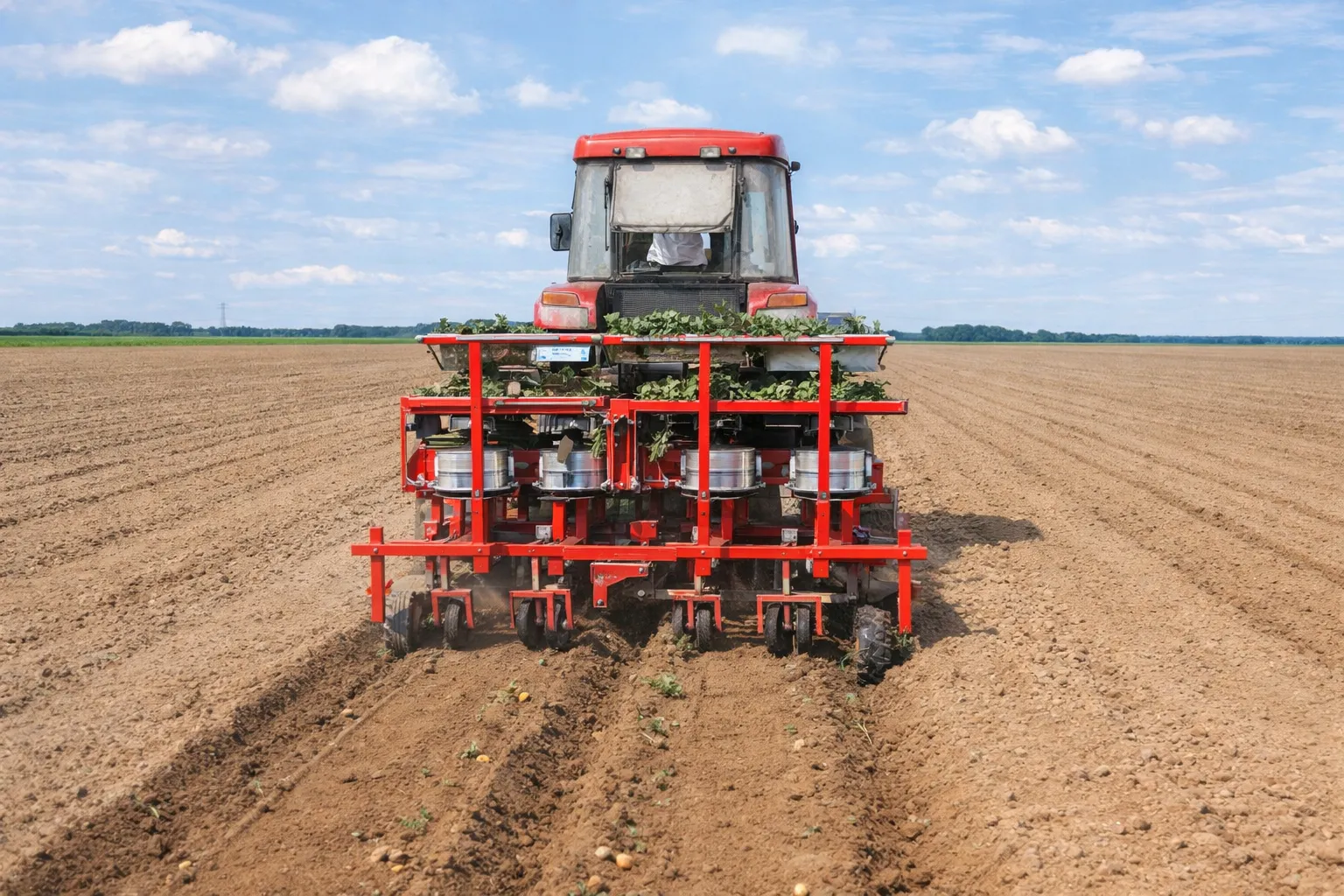
Australia es el continente habitado más seco del mundo, y la gestión de riego de precisión es un requisito fundamental para la sostenibilidad de su sector agrícola. Desde los huertos y viñedos de la cuenca Murray-Darling hasta las llanuras algodoneras del norte de Nueva Gales del Sur y la región azucarera de Queensland, los actuadores de válvulas de riego automatizados controlan el flujo de miles de millones de litros de agua anualmente. En el corazón de cada actuador hay un Reductor de transmisión de tornillo sin fin — elegido por su capacidad de transformar un par motor bajo en una fuerza de salida elevada para el funcionamiento de la válvula, manteniendo la posición de la válvula con precisión cuando el motor está desenergizado.
La propiedad de autobloqueo del engranaje helicoidal resulta excepcionalmente valiosa en el servicio de válvulas de riego: una vez que el motor coloca la válvula en la posición deseada, la geometría del engranaje helicoidal impide cualquier movimiento de la válvula, incluso bajo una diferencia de presión máxima en la tubería a través del disco de la válvula. Esto significa que la válvula mantiene su posición durante cortes de energía, sobretensiones de la bomba y transitorios de presión sin necesidad de un mecanismo de retorno por resorte o de pestillo electromagnético.
Para los diseñadores e integradores de sistemas de riego australianos, esta combinación de tamaño compacto, alta multiplicación de par y sujeción inherente convierte al reductor de tornillo sin fin en la solución estándar para la actuación de válvulas de bola, válvulas de mariposa y válvulas de compuerta en sistemas de riego por goteo, aspersión e inundación de todas las escalas.
Aplicaciones y casos de uso en la industria
Los reductores de engranajes helicoidales se encuentran presentes en todos los sistemas de riego automatizados de Australia:
- Actuadores de válvulas de mariposa en los colectores principales de riego. — Válvulas DN200–DN600 que requieren un par de funcionamiento elevado
- Actuadores de válvula de bola en el control de zona lateral — Actuadores compactos para válvulas de zona de 25 a 100 mm
- Las válvulas de compuerta accionan las salidas de los canales. — apertura lenta y precisa de las compuertas en sistemas de canales alimentados por gravedad
- Control de zona de goteo de caudal variable — Actuadores secuenciales multizona para fertirrigación de precisión
- Válvulas de derivación de bomba y de alivio de presión — apertura/cierre controlado bajo presión del sistema
Especificaciones de materiales para el servicio de válvulas de riego: Eje sin fin de acero inoxidable 304 o acero aleado con tratamiento superficial anticorrosión: esencial para actuadores de válvulas expuestos continuamente a la humedad ambiental, la pulverización de fertilizantes y el agua de riego clorada. Rueda helicoidal de bronce fosforoso o nailon PA66 para actuadores ligeros de bajo par. Carcasa de aluminio fundido a presión ADC12: ligera para montaje en válvula, resistente a la corrosión y con grado de protección IP65.
Requisitos de par del actuador: El par de accionamiento de la válvula depende de su tamaño y presión nominal. Como referencia: una válvula de mariposa DN100 a 10 bar requiere aproximadamente entre 30 y 60 N·m; una válvula de mariposa DN400 a 16 bar requiere entre 400 y 800 N·m. El reductor de tornillo sin fin multiplica el par motor por la relación de reducción.
Especificaciones técnicas y guía de selección
Utilice la tabla a continuación para identificar el modelo apropiado. Los parámetros clave incluyen la relación de reducción, el par de salida, las dimensiones del eje y el material de la carcasa. Aplique siempre el correcto Factor de servicio (SF) para su ciclo de trabajo.
| Parámetro | Rango/Valor típico | Notas de selección |
|---|---|---|
| Relación | Relación típica de 20:1 a 80:1 para actuadores de válvulas | Mayores relaciones de compresión para válvulas de compuerta grandes; menores para válvulas de bola de ciclo rápido. |
| Par de salida | 10 – 1.500 N·m | Cubre desde válvulas de bola DN25 hasta válvulas de mariposa DN600. |
| Conexión de entrada | Brida frontal IEC B14 | IEC 60034 — montaje directo en motores actuadores pequeños |
| Eje de salida | Eje con chaveta maciza | El eje chavetado se acopla con el vástago de la válvula de accionamiento cuadrado o con el acoplamiento. |
| Material de vivienda | Aluminio ADC12 (estándar); SS316 (corrosivo) | Acero inoxidable SS316 para agua de mar, agua reciclada y aplicaciones con alto contenido de cloro. |
| Material del eje | Acero inoxidable SS304 estándar; opción SS316 | Acero inoxidable SS316 para inmersión continua o exposición química. |
| Clase de protección | Estándar IP65; IP67 para uso sumergible. | Protección IP67 para actuadores cerca de los bordes de canales o en zonas propensas a inundaciones. |
► Factor de servicio (FS): Carga uniforme SF=1,0 | Choque moderado SF=1,25–1,5 | Choque fuerte / 24 h continuo SF=1,75–2,0
► Temperatura ambiente: Las unidades estándar tienen una clasificación de -10 °C a +40 °C. Las instalaciones australianas con altas temperaturas ambiente (>45 °C) requieren lubricante de alta temperatura y una reducción de la capacidad térmica según la norma 15%.
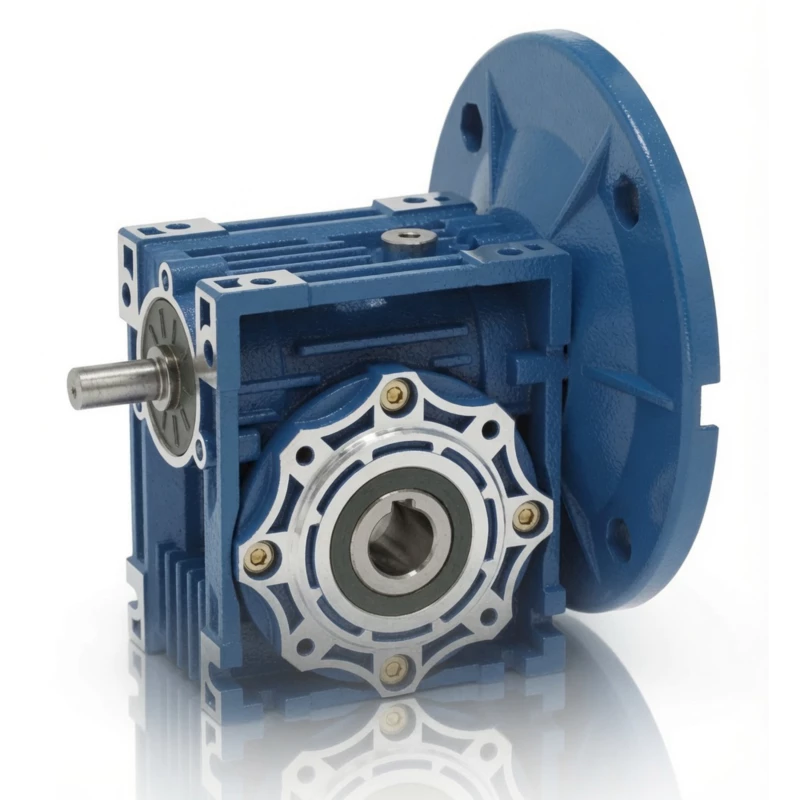
Disponible en tamaños de bastidor de 025 a 150. Reducción de una etapa de 5:1 a 100:1. Par de salida de hasta 4200 N·m. Carcasa de aluminio o hierro dúctil. Brida del motor IEC B5/B14. Protección IP65 estándar, IP66/IP67 opcional. Lubricación con aceite sintético o mineral.
Normas de cumplimiento y calidad
Sistema de gestión de calidad certificado. Cada unidad se fabrica e inspecciona bajo un SGC documentado con trazabilidad completa.
Con certificación CE conforme a la Directiva de Maquinaria de la UE. Ampliamente utilizada en proyectos de ingeniería en Australia y Nueva Zelanda.
Dimensiones de bridas y ejes según la norma IEC. Compatibilidad de montaje directo con todas las principales marcas de motores.
Resistente al polvo y a los chorros de agua a alta presión. El estándar para instalaciones exteriores en Australia.
Estudios de caso
Caso práctico 1: Control de zonas de riego por goteo, Valle de Barossa, Australia Meridional.
Actuadores de zona con válvula de mariposa — Red de riego por goteo
Problema del cliente: Una bodega del valle de Barossa operaba 24 zonas de riego con válvulas de mariposa manuales, lo que suponía una operación manual de 45 minutos en cada ciclo de riego, y los errores del operario en la posición de las válvulas estaban provocando estrés en las vides debido a la distribución desigual del agua en las distintas parcelas del viñedo.
Solución: Se instalaron reductores de tornillo sin fin NMRV-040 (relación 40:1, carcasa de aluminio, IP65, eje de acero inoxidable, motor de 24 V CC) en las 24 válvulas de mariposa, conectadas al controlador de fertirrigación del viñedo mediante señales de relé de contacto seco.
Resultado: Se eliminó el funcionamiento manual de las válvulas y se automatizó completamente el riego por zonas. Se ahorraron aproximadamente 40 horas semanales de trabajo del operario durante toda la temporada de cultivo. En una parcela se observó una mejora en el rendimiento de 12% durante el primer año posterior a la instalación.
Caso práctico 2: Control de compuertas en un canal de riego de algodón, Narrabri, Nueva Gales del Sur.
Actuadores de válvula de compuerta de salida de canal
Problema del cliente: En una finca algodonera, las compuertas de salida de su canal de riego por gravedad se desajustaban. Los actuadores de tornillo manuales en las 14 salidas del canal requerían un tractor y un operario para cada ajuste de compuerta, una tarea diaria de 6 horas durante el período de máxima irrigación.
Solución: Se instalaron reductores de tornillo sin fin de la serie NRV (relación 100:1, carcasa de hierro dúctil, IP65, motor de CA de 240 V con interfaz PLC) en las 14 salidas de compuerta. La relación 100:1 mantuvo cada compuerta en la apertura deseada, incluso bajo la presión máxima del agua.
Resultado: El tiempo diario de ajuste de las compuertas se redujo de 6 horas a menos de 20 minutos. La eficiencia de distribución del agua en los canales mejoró en aproximadamente 181 TP3T.
Caso práctico 3: Sistema de fertirrigación para huertos de aguacates, Bundaberg, Queensland
Actuadores de zona de fertirrigación con válvula de bola
Problema del cliente: Un productor de aguacates estaba experimentando fallas por corrosión en 38 actuadores de válvulas de zona en su sistema de fertirrigación. La solución fertilizante que contenía ácido fosfórico y nitrato de potasio estaba atacando las carcasas de aleación de zinc y corroyendo los vástagos de las válvulas de acero aleado en un plazo de 12 a 18 meses.
Solución: Para el programa de sustitución se especificaron reductores de tornillo sin fin NMRV-025 (relación 60:1, carcasa de aluminio anodizado, eje de salida de acero inoxidable 316, IP65 con juntas de FKM resistentes al ácido fosfórico).
Resultado: No se observaron fallas por corrosión durante 24 meses de servicio de fertirrigación. La vida útil del actuador se extendió de 12-18 meses a la vida útil de diseño objetivo de 5 años.
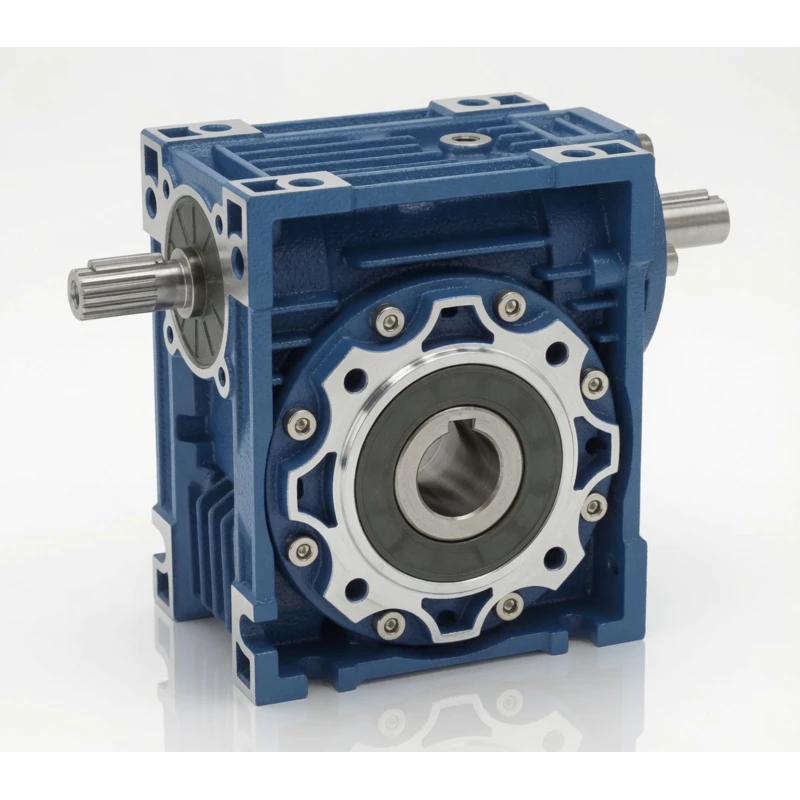
Reductores de tornillo sin fin de la serie NMRV / NRV — tamaños de bastidor 025 a 150, fabricados según la norma ISO 9001:2015
¿Por qué elegirnos?
Más de 20 años de experiencia en fabricación.
Producción con certificación ISO desde 2003. Reductores de tornillo sin fin enviados a más de 60 países.
Soporte técnico remoto
Diagnóstico mediante videollamada en todas las zonas horarias de Australia. Respuesta rápida sin necesidad de visitas presenciales.
Personalización OEM/ODM
Ejes no estándar, orificios huecos, bridas y relaciones personalizadas. Posibilidad de consultar los planos completos.
Valor directo de fábrica
Sin margen de distribuidor. Precios transparentes por volumen con importantes ahorros en pedidos repetidos.
En stock y envío rápido
Bastidores NMRV/NRV estándar en stock en almacén. Pedidos urgentes tramitados para envío exprés.
Preguntas frecuentes
Obtenga ayuda de nuestros ingenieros para dimensionar su actuador de riego.
Nuestros ingenieros están preparados para recomendarle el modelo de reductor de tornillo sin fin, la relación de transmisión, la configuración del eje y el sistema de montaje adecuados para su aplicación.
Explora más en el página de aplicaciones o conozca más sobre nosotros en el Página "Acerca de nosotros".