Reductor de engranajes helicoidales para accionamientos de compuertas de presas
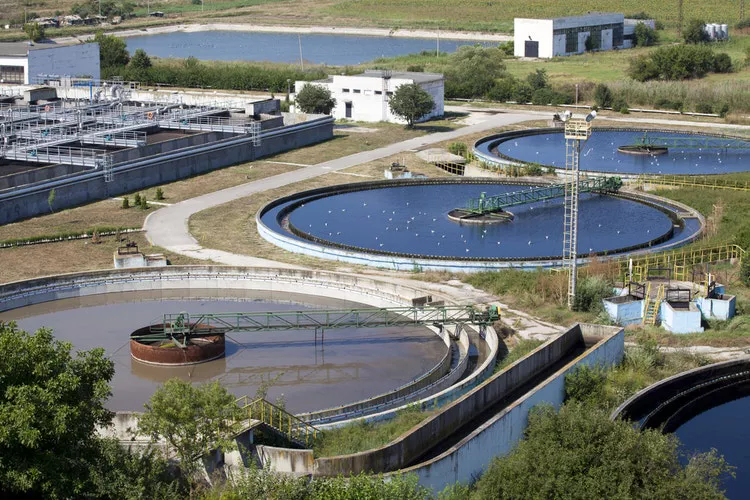
Las compuertas de los aliviaderos de las presas, las compuertas de los vertederos y las compuertas de derivación para riego se encuentran entre los componentes mecánicos más críticos en materia de seguridad de la infraestructura hídrica australiana. Deben funcionar de forma fiable durante las crecidas —a menudo en condiciones exteriores difíciles, con acceso poco frecuente para el mantenimiento— y deben mantener su posición establecida frente a la carga hidráulica máxima del cuerpo de agua cuando no están en funcionamiento. reductor de engranajes helicoidales Es la opción de accionamiento establecida para estas aplicaciones, ya que proporciona la ventaja mecánica para el movimiento controlado de las compuertas y la propiedad de autobloqueo inherente que mantiene las compuertas estacionarias frente a las cargas de presión del agua sin ningún mecanismo de bloqueo externo ni suministro continuo de energía.
La infraestructura de presas y diques de Australia, gestionada por las autoridades hídricas estatales, WaterNSW, SunWater, Southern Rural Water y numerosos fideicomisos locales de riego, abarca miles de estructuras, desde grandes presas de almacenamiento hasta pequeños diques de derivación de canales. El engranaje helicoidal de las compuertas de las presas debe soportar décadas de exposición a la intemperie, a la radiación UV, a las fluctuaciones de temperatura y a la humedad, manteniendo un funcionamiento fiable y una posición fija bajo las continuas presiones del agua que actúan sobre la estructura de la compuerta.
Por motivos de seguridad de la presa, los sistemas de accionamiento de las compuertas también deben ser a prueba de fallos: si el mecanismo de accionamiento falla, la compuerta debe permanecer en su posición actual hasta que sea posible la intervención manual. La geometría autoblocante de la caja de engranajes helicoidales proporciona esta condición de retención a prueba de fallos como una propiedad mecánica directa, independiente de la fuente de alimentación, el control electrónico o los mecanismos de frenado externos.
Aplicaciones y casos de uso en la industria
Los reductores de engranajes helicoidales se utilizan en los sistemas de accionamiento de las compuertas de las presas en diversos tipos de estructuras y configuraciones de compuertas:
- Accionamientos radiales (Tainter) para compuertas — La salida del tornillo sin fin giratorio acciona el brazo de la compuerta para un movimiento de arco controlado.
- Accesos con portones elevadizos verticales (puertas de piedra) — La salida del tornillo sin fin acciona un mecanismo de elevación de compuerta de cremallera y piñón o de husillo.
- actuadores de la compuerta de descarga de la presa — Mecanismos de inclinación individuales de la placa de expansión para un control preciso del nivel del agua.
- Accionamientos de compuertas: control de mareas e inundaciones — apertura controlada contra la contrapresión de las mareas o inundaciones
- Accionamientos de compuertas de desviación de riego — Control remoto de estructuras de derivación en sistemas de riego rurales
Especificaciones de materiales para el servicio de compuertas de presa: Eje helicoidal de acero aleado con tratamiento de nitruración superficial que proporciona dureza y una excelente resistencia a la corrosión en exteriores. Rueda helicoidal de bronce fosforoso, estable en el agua de la presa con baja concentración de minerales. Carcasa de hierro dúctil con un sistema de pintura protectora multicapa de alta resistencia (imprimación epoxi de dos componentes + capa superior de poliuretano) con una vida útil en exteriores de más de 20 años. Grado de protección IP55 mínimo; IP65 en caso de que la carcasa del accionamiento pueda sumergirse intermitentemente durante el funcionamiento de la compuerta.
Especificación de alta fiabilidad para la seguridad de la presa: Los sistemas de accionamiento de las compuertas de las presas suelen diseñarse según las directrices de ANCOLD, que exigen pruebas de funcionamiento del sistema a intervalos definidos y la demostración de su capacidad de reserva. Los reductores de tornillo sin fin para el servicio de presas se seleccionan normalmente con un factor de seguridad de SF = 2,5–3,0 con respecto al par de accionamiento calculado de la compuerta. Los rodamientos de rodillos cónicos en todos los ejes, el lubricante de alta calidad y los intervalos de mantenimiento prolongados son especificaciones estándar para estos activos de larga vida útil.
Especificaciones técnicas y guía de selección
Utilice la tabla a continuación para identificar el modelo apropiado. Los parámetros clave incluyen la relación de reducción, el par de salida, las dimensiones del eje y el material de la carcasa. Aplique siempre el correcto Factor de servicio (SF) para su ciclo de trabajo.
| Parámetro | Rango/Valor típico | Notas de selección |
|---|---|---|
| Relación | 40:1 – 100:1 estándar; tándem para baja velocidad | Velocidades de desplazamiento de las puertas típicamente de 0,1 a 2,0 m/min |
| Par de salida (SF=1,0) | 500 – 4200 N·m etapa única | Seleccionar SF=2,5–3,0 como criterio de diseño para la seguridad de la presa. |
| Material de vivienda | Hierro dúctil GGG40 + revestimiento protector de alta resistencia | Se especifica una vida útil mínima del recubrimiento de 20 años. |
| Material del eje | Acero aleado, nitrurado; SS316 para zonas costeras/de mareas. | Acero inoxidable SS316 para instalaciones en presas salinas o costeras. |
| Sellos de eje | FKM de doble labio, IP65/IP67 | IP67 para puertas sujetas a inmersión durante derrames. |
| Tipo de cojinete | Rodillo cónico en todos los ejes | Soporta cargas combinadas radiales/axiales provenientes de la cadena de la puerta y de la gravedad. |
| Lubricación | PAO sintético ISO VG 460 (intervalo de 5000 horas) | Los intervalos prolongados son cruciales para las presas ubicadas en zonas remotas. |
► Factor de servicio (FS): Carga uniforme SF=1,0 | Choque moderado SF=1,25–1,5 | Choque fuerte / 24 h continuo SF=1,75–2,0
► Temperatura ambiente: Las unidades estándar tienen una clasificación de -10 °C a +40 °C. Las instalaciones australianas con altas temperaturas ambiente (>45 °C) requieren lubricante de alta temperatura y una reducción de la capacidad térmica según la norma 15%.
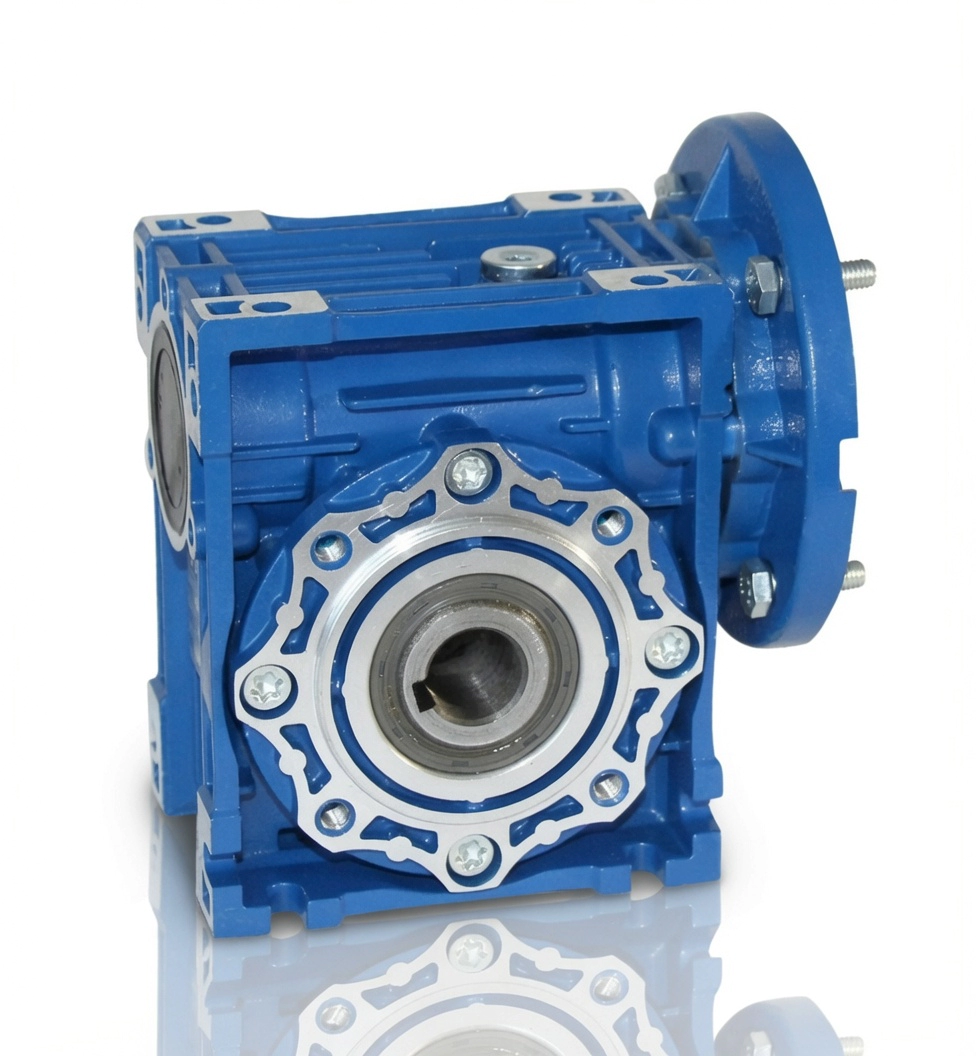
Disponible en tamaños de bastidor de 025 a 150. Reducción de una etapa de 5:1 a 100:1. Par de salida de hasta 4200 N·m. Carcasa de aluminio o hierro dúctil. Brida del motor IEC B5/B14. Protección IP65 estándar, IP66/IP67 opcional. Lubricación con aceite sintético o mineral.
Normas de cumplimiento y calidad
Sistema de gestión de calidad certificado. Cada unidad se fabrica e inspecciona bajo un SGC documentado con trazabilidad completa.
Con certificación CE conforme a la Directiva de Maquinaria de la UE. Ampliamente utilizada en proyectos de ingeniería en Australia y Nueva Zelanda.
Dimensiones de bridas y ejes según la norma IEC. Compatibilidad de montaje directo con todas las principales marcas de motores.
Resistente al polvo y a los chorros de agua a alta presión. El estándar para instalaciones exteriores en Australia.
Estudios de caso
Caso práctico 1 — Dique de descarga de la compuerta de la presa de riego, Goulburn Murray Water VIC
Actuadores de inclinación de la compuerta de descarga de la presa
Problema del cliente: Una autoridad de riego del estado de Victoria operaba manualmente 32 mecanismos de inclinación de compuertas en un vertedero de control; cada uno requería dos operarios y 4 horas para un ajuste completo del vertedero durante las crecidas. Dos fallas en los mecanismos de accionamiento durante una crecida en 2022 impidieron un ajuste oportuno del vertedero.
Solución: En los 32 paneles de control se instalaron reductores de tornillo sin fin de la serie NRV (relación 80:1, hierro dúctil con revestimiento epoxi de dos componentes, IP65, motorizados a 415 V con interfaz SCADA, rodamientos de rodillos cónicos).
Resultado: El tiempo de ajuste del dique de contención se redujo de 4 horas (8 horas-persona) a menos de 15 minutos mediante SCADA. La inundación de 2024 se gestionó sin fallos en los accionamientos.
Caso práctico 2 — Tainter Gate Drive, presa de almacenamiento de SunWater, Queensland
Cauce de aliviadero de la compuerta Tainter — Gran presa de almacenamiento
Problema del cliente: Los tres sistemas de accionamiento de las compuertas Tainter de una presa de almacenamiento en Queensland se acercaban al final de su vida útil (35 años), con un desgaste progresivo evidente en la rueda helicoidal de las tres unidades. El ingeniero de seguridad de la presa calificó los sistemas como "marginales" para su funcionamiento continuo.
Solución: Las cajas de engranajes helicoidales NRV-150 (relación 60:1, SF=3,0, disposición en tándem de dos etapas, IP65, carcasas de cojinetes extendidas con rodillos cónicos de doble hilera, motor trifásico con interfaz para generador diésel de reserva) se instalaron durante un período de mantenimiento de 3 semanas.
Resultado: La evaluación de seguridad de la presa ANCOLD pasó de "marginal" a "conforme". La configuración en tándem de dos etapas redujo la potencia del motor necesaria de 22 kW a 7,5 kW.
Caso práctico 3: Compuerta de desvío del canal, sistema de riego de Murrumbidgee, Nueva Gales del Sur.
Acceso a la puerta de la estructura de desvío — Ubicación remota
Problema del cliente: Una compuerta de desvío de riego ubicada a 85 km de la ciudad más cercana requería ajustes diarios para la gestión de la asignación de agua, pero solo se visitaba dos veces por semana, lo que provocaba episodios de sobreasignación que acarreaban sanciones por parte del organismo regulador del agua.
Solución: La caja de engranajes helicoidales NMRV-110 (relación 100:1, motor de CC de 24 V alimentado por panel solar, RTU para comunicación por radio SCADA, IP65, intervalo de lubricación sintética extendido de 5000 horas) permitió el envío diario de comandos remotos sobre la posición de las puertas desde la sala de control de la autoridad de riego.
Resultado: Se logró el cumplimiento diario de la posición de la compuerta. Se eliminaron las multas por incumplimiento del regulador de agua en el primer año posterior a la instalación. La frecuencia de las visitas in situ se redujo a una inspección mensual.
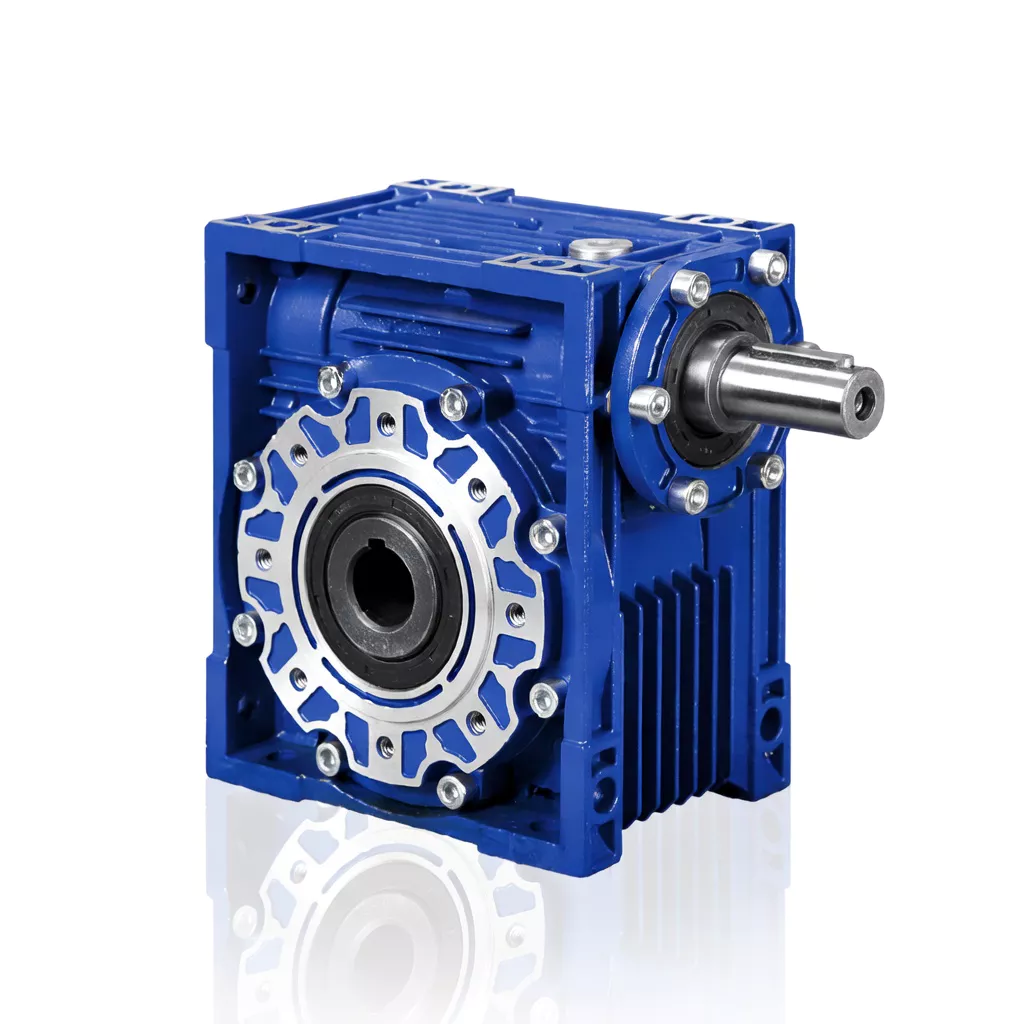
Reductores de tornillo sin fin de la serie NMRV / NRV — tamaños de bastidor 025 a 150, fabricados según la norma ISO 9001:2015
¿Por qué elegirnos?
Más de 20 años de experiencia en fabricación.
Producción con certificación ISO desde 2003. Reductores de tornillo sin fin enviados a más de 60 países.
Soporte técnico remoto
Diagnóstico mediante videollamada en todas las zonas horarias de Australia. Respuesta rápida sin necesidad de visitas presenciales.
Personalización OEM/ODM
Ejes no estándar, orificios huecos, bridas y relaciones personalizadas. Posibilidad de consultar los planos completos.
Valor directo de fábrica
Sin margen de distribuidor. Precios transparentes por volumen con importantes ahorros en pedidos repetidos.
En stock y envío rápido
Bastidores NMRV/NRV estándar en stock en almacén. Pedidos urgentes tramitados para envío exprés.
Preguntas frecuentes
Consulte a nuestros ingenieros sobre las especificaciones del accionamiento de la compuerta de la presa.
Nuestros ingenieros están preparados para recomendarle el modelo de reductor de tornillo sin fin, la relación de transmisión, la configuración del eje y el sistema de montaje adecuados para su aplicación.
Explora más en el página de aplicaciones o conozca más sobre nosotros en el Página "Acerca de nosotros".