Reductor de tornillo sin fin para actuadores de válvulas de mariposa y válvulas de compuerta
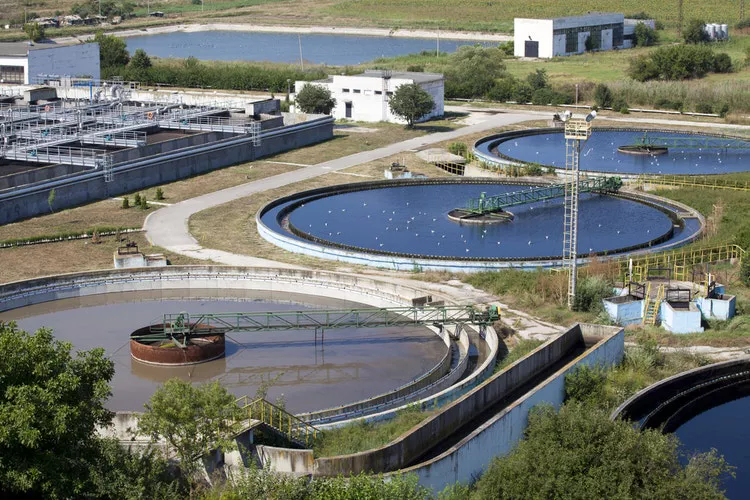
Las redes de suministro de agua y aguas residuales en las ciudades australianas y la infraestructura regional dependen de miles de válvulas operadas manual y automáticamente para el control de flujo, el aislamiento y la gestión de la presión. Para válvulas de DN250 y superiores, actuador de caja de engranajes helicoidales Es el mecanismo estándar de la industria para la multiplicación de la ventaja mecánica, que permite a un solo operario o a un pequeño motor eléctrico generar el alto par de funcionamiento necesario para mover grandes discos o compuertas de válvulas contra la presión total de la tubería.
La caja de engranajes helicoidales cumple dos funciones en el accionamiento de la válvula: multiplica el par de entrada por la relación de reducción y bloquea mecánicamente el disco de la válvula en la posición deseada entre operaciones. Esta segunda función —el autobloqueo inherente— es fundamental en las infraestructuras de agua, donde la inestabilidad de la posición de la válvula ante fluctuaciones de presión en las tuberías podría provocar sobretensiones incontroladas o golpes de ariete.
Las especificaciones de las empresas de servicios de agua australianas —normas de la Asociación de Servicios de Agua de Australia, especificaciones de las empresas estatales, incluidas Sydney Water, Melbourne Water, SA Water y Water Corporation WA— especifican habitualmente actuadores de engranaje helicoidal para instalaciones de válvulas de mariposa, compuerta y esclusa en tuberías principales de transmisión, plantas de tratamiento y estaciones de bombeo.
Aplicaciones y casos de uso en la industria
En el sector del agua y las aguas residuales, las cajas de engranajes de tornillo sin fin se utilizan en toda la gama de tipos y tamaños de válvulas:
- Actuadores de válvulas de mariposa — DN250 a DN2400 — desde las redes de distribución hasta el aislamiento de la tubería principal principal
- Actuadores de compuertas — plantas de tratamiento de agua — Apertura lenta y precisa de las compuertas de entrada/salida de la balsa de sedimentación
- Cajas de engranajes con volante de válvula de compuerta — transmisiones principales — ventaja mecánica para operación manual
- Amortiguadores de válvulas de retención — Velocidad de cierre controlada para la protección contra golpes de ariete
- Actuadores motorizados para válvulas de control de caudal — estaciones de bombeo — Gestión automatizada de zonas de presión
Especificación de materiales para servicio de agua/aguas residuales: Eje sin fin de acero inoxidable 316: esencial para la resistencia al agua con cloruros en plantas de tratamiento costeras y al cloro residual en sistemas de agua potable. Rueda helicoidal de bronce fosforoso fundido: autolubricante, resistente a la corrosión y con excelente durabilidad a velocidades de salida de 0,2 a 2 RPM, típicas de actuadores de válvulas grandes. Carcasa de acero inoxidable 316 para entornos costeros; hierro dúctil con revestimiento epoxi para instalaciones de agua dulce continentales.
Cumplimiento de AS: Las cajas de engranajes helicoidales para actuadores de válvulas en la infraestructura hídrica australiana deben cumplir con los requisitos de compatibilidad dimensional según AS 4795 (válvulas de mariposa) y AS 2638 (válvulas de compuerta). cajas de engranajes helicoidales Están disponibles con bridas de montaje para actuadores ISO 5211, el estándar de interfaz al que hace referencia la norma AS 4795, lo que garantiza la compatibilidad directa con todas las principales marcas de válvulas de mariposa utilizadas en los proyectos hídricos australianos.
Especificaciones técnicas y guía de selección
Utilice la tabla a continuación para identificar el modelo apropiado. Los parámetros clave incluyen la relación de reducción, el par de salida, las dimensiones del eje y el material de la carcasa. Aplique siempre el correcto Factor de servicio (SF) para su ciclo de trabajo.
| Parámetro | Rango/Valor típico | Notas de selección |
|---|---|---|
| Relación | 20:1 – 100:1 | Seleccione en función del límite de par de entrada manual o del par del motor. |
| Par de salida | 50 – 4200 N·m | Cubre desde válvulas de bola DN50 hasta válvulas de mariposa DN2000. |
| Interfaz de entrada | Volante, IEC 60034 brida del motor o accionamiento cuadrado | Los tres tipos de entrada están disponibles en la misma caja de cambios. |
| Interfaz de salida | Brida de actuador ISO 5211 (F07–F25) | Directamente compatible con el vástago de válvula de mariposa AS 4795 |
| Material de vivienda | Hierro dúctil o acero inoxidable 316 | SS316 obligatorio para agua costera/potable clorada |
| Sellos de eje | FKM de doble labio (resistente al agua) | Resistencia superior al cloro y a los productos químicos en comparación con el NBR estándar. |
| Clase de protección | Estándar IP65; cámara de válvula IP67 | Protección IP67 para fosos de válvulas sujetos a inundación. |
► Factor de servicio (FS): Carga uniforme SF=1,0 | Choque moderado SF=1,25–1,5 | Choque fuerte / 24 h continuo SF=1,75–2,0
► Temperatura ambiente: Las unidades estándar tienen una clasificación de -10 °C a +40 °C. Las instalaciones australianas con altas temperaturas ambiente (>45 °C) requieren lubricante de alta temperatura y una reducción de la capacidad térmica según la norma 15%.
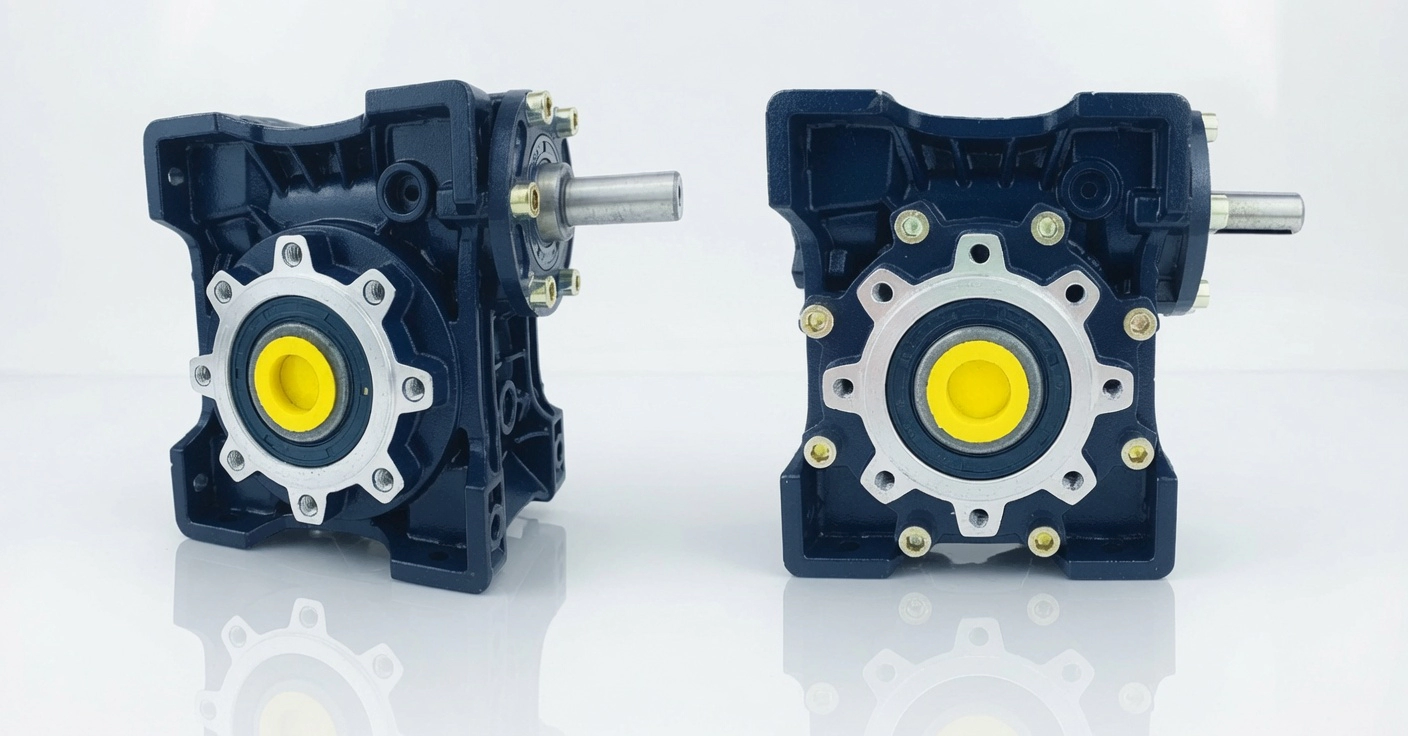
Disponible en tamaños de bastidor de 025 a 150. Reducción de una etapa de 5:1 a 100:1. Par de salida de hasta 4200 N·m. Carcasa de aluminio o hierro dúctil. Brida del motor IEC B5/B14. Protección IP65 estándar, IP66/IP67 opcional. Lubricación con aceite sintético o mineral.
Normas de cumplimiento y calidad
Sistema de gestión de calidad certificado. Cada unidad se fabrica e inspecciona bajo un SGC documentado con trazabilidad completa.
Con certificación CE conforme a la Directiva de Maquinaria de la UE. Ampliamente utilizada en proyectos de ingeniería en Australia y Nueva Zelanda.
Dimensiones de bridas y ejes según la norma IEC. Compatibilidad de montaje directo con todas las principales marcas de motores.
Resistente al polvo y a los chorros de agua a alta presión. El estándar para instalaciones exteriores en Australia.
Estudios de caso
Caso práctico 1: Planta de tratamiento de agua, Adelaida, Australia Meridional.
Actuadores de válvula de mariposa — Entrada de la celda de filtración
Problema del cliente: Una planta de tratamiento de agua metropolitana sufría fallas por corrosión en los engranajes helicoidales de los actuadores de válvulas en la galería de la celda de filtración. El sistema de dosificación de cloramación mantenía aproximadamente 3 mg/L de cloro libre en la atmósfera del agua, lo que provocó la corrosión de la carcasa estándar de hierro gris y los sellos del eje de NBR en un plazo de 18 meses.
Solución: En las 24 válvulas de mariposa de las celdas de filtración se instalaron reductores de tornillo sin fin con carcasa de acero inoxidable SS316 (relación 40:1, juntas de doble labio FKM, brida de salida ISO 5211 F10, IP65).
Resultado: No se registraron fallas por corrosión durante 36 meses de monitoreo. El intervalo de reemplazo programado se extendió de 18 meses al ciclo de vida objetivo de 10 años del activo. El costo anual de mantenimiento del actuador se redujo en 68%.
Caso práctico 2: Estación de bombeo de aguas residuales, Brisbane, Queensland
Actuadores de volante para válvulas de compuerta — Aislamiento de bombas
Problema del cliente: Una estación de bombeo de aguas residuales en Brisbane utilizaba un sistema manual de accionamiento por cadena en válvulas de compuerta DN600, una operación que requería dos personas y 45 minutos por válvula. Una revisión de seguridad exigió la conversión a un sistema de accionamiento manual por volante operado por una sola persona.
Solución: Se instalaron reductores de tornillo sin fin de la serie NRV (relación 50:1, hierro dúctil con revestimiento epoxi, IP65, extensión de eje de acero inoxidable SS316, entrada mediante volante) en las seis válvulas de compuerta de aislamiento de las bombas. La relación 50:1 redujo la fuerza necesaria para accionar el volante de más de 250 N a menos de 60 N.
Resultado: Se logró el funcionamiento de las válvulas con un solo operador. El tiempo de operación de las válvulas se redujo de 45 minutos a menos de 8 minutos por válvula. La calificación de riesgo ergonómico mejoró de "alto" a "aceptable".
Caso práctico 3: Válvula de transmisión de la Autoridad de Agua Rural, Riverina, Nueva Gales del Sur
Actuador motorizado de válvula de mariposa — Transmisión principal de 220 km
Problema del cliente: Una autoridad regional de agua estaba transformando los sistemas de aislamiento manual de una tubería principal de transmisión rural de 220 km a un sistema motorizado de operación remota. Las válvulas de compuerta manuales existentes requerían dos operarios y 90 minutos para aislar cada sección, lo cual resultaba inaceptable para la respuesta ante emergencias por rotura de tuberías.
Solución: Se instalaron reductores de tornillo sin fin NMRV-130 (relación 80:1, motor trifásico de 415 V con interfaz de relé SCADA, hierro dúctil IP65, panel solar de respaldo para sitios remotos) en 7 puntos de aislamiento clave.
Resultado: El tiempo de aislamiento de emergencia se redujo de 90 minutos a menos de 4 minutos mediante el sistema de control SCADA. El plan de respuesta ante emergencias de la autoridad se revisó para incluir el aislamiento remoto de válvulas como medida principal de contención.
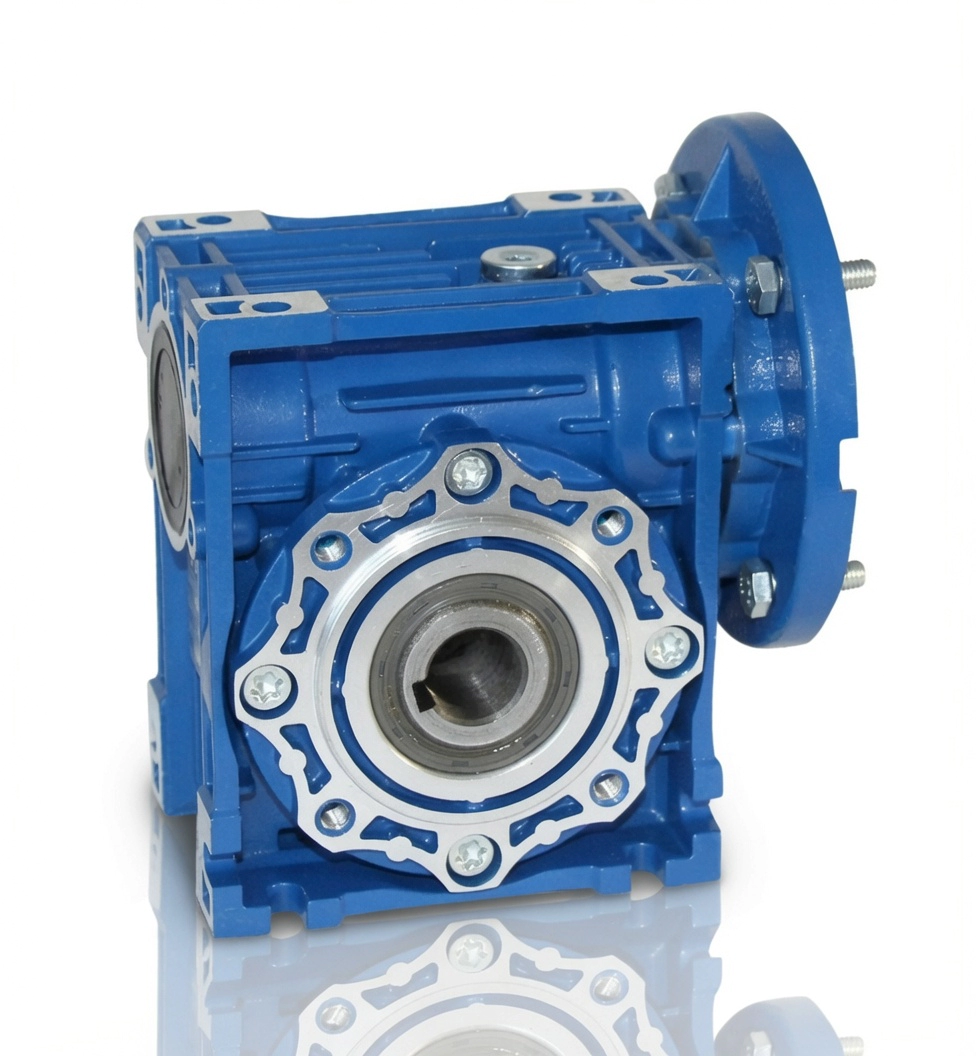
Reductores de tornillo sin fin de la serie NMRV / NRV — tamaños de bastidor 025 a 150, fabricados según la norma ISO 9001:2015
¿Por qué elegirnos?
Más de 20 años de experiencia en fabricación.
Producción con certificación ISO desde 2003. Reductores de tornillo sin fin enviados a más de 60 países.
Soporte técnico remoto
Diagnóstico mediante videollamada en todas las zonas horarias de Australia. Respuesta rápida sin necesidad de visitas presenciales.
Personalización OEM/ODM
Ejes no estándar, orificios huecos, bridas y relaciones personalizadas. Posibilidad de consultar los planos completos.
Valor directo de fábrica
Sin margen de distribuidor. Precios transparentes por volumen con importantes ahorros en pedidos repetidos.
Preguntas frecuentes
Especifique su caja de engranajes helicoidales para actuador de válvula — Contáctenos
Nuestros ingenieros están preparados para recomendarle el modelo de reductor de tornillo sin fin, la relación de transmisión, la configuración del eje y el sistema de montaje adecuados para su aplicación.
Explora más en el página de aplicaciones o conozca más sobre nosotros en el Página "Acerca de nosotros".