Worm Gearbox for Harvester Drive Systems
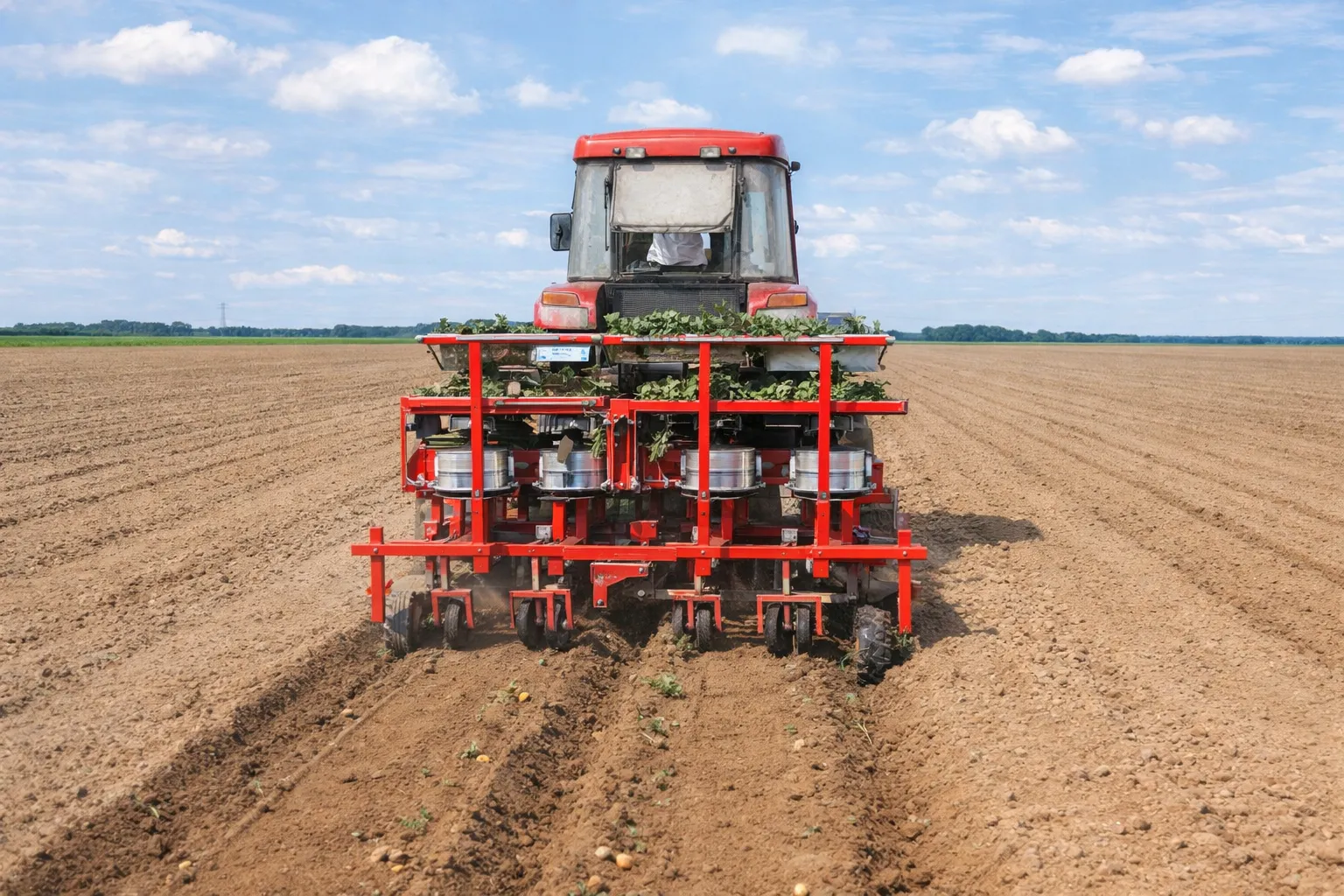
Modern agricultural harvesters — combine harvesters, fodder harvesters, cotton pickers, and cane cutters — are complex machines with multiple simultaneous drive systems, each requiring precise speed coordination and reliable torque delivery across extended harvest days. The przekładnia ślimakowa serves as the drive component for cutting, threshing, augering, and residue processing sub-systems where high reduction ratios and compact installation are required alongside robust performance in the harsh Australian paddock environment.
Australian harvesters face particular challenges: grain crops with varying moisture content and stalk strength create unpredictable cutting resistance; rocky or uneven terrain subjects drive components to vibration and shock loads; and the remote location of most Australian farms means component failures during the narrow harvest window — often just 2–3 weeks — have disproportionately high economic impact. The worm reducer’s simple, sealed construction and minimal maintenance profile are significant advantages in this context.
Precision speed control is also increasingly important as GPS-guided automated harvesting becomes standard practice on large Australian properties. Worm reducers with VFD-controlled motors allow section-control systems to vary header and auger speeds dynamically, optimising throughput across variable crop densities without mechanical ratio changes.
Zastosowania przemysłowe i przypadki użycia
Worm gearboxes serve multiple roles within modern harvester drive systems:
- Header auger drive — moves cut crop toward the centre feed point at controlled speed
- Feeder house drive — controls the speed of the inclined conveyor feeding crop to the threshing drum
- Straw residue chopper drive — low-speed input to variable-speed residue spreader mechanism
- Grain unloading auger drive — slow-speed large-diameter horizontal and vertical unloading auger
- Crop divider and reel drive — precise speed matching with forward travel speed for even crop pick-up
Material specification for harvester service: Worm shaft in alloy steel (carburised and quenched, surface precision-ground). Worm wheel in cast phosphor bronze — selected for its impact absorption capability when the header auger or feeder encounters an unexpected obstruction. Housing in cast iron with IP54 minimum. Double-lip shaft seals on both input and output are standard.
Variable speed capability: By varying the motor frequency from 25–60 Hz, the output speed can be varied ±40% from nominal without changing the mechanical reduction ratio. This allows the operator to optimise cut speed for crop density and moisture conditions.
Specyfikacje techniczne i przewodnik wyboru
Skorzystaj z poniższej tabeli, aby wybrać odpowiedni model. Kluczowe parametry to przełożenie, moment obrotowy wyjściowy, wymiary wału i materiał obudowy. Zawsze stosuj właściwe Współczynnik usług (SF) dla Twojego cyklu pracy.
| Parametr | Typowy zakres / wartość | Notatki dotyczące wyboru |
|---|---|---|
| Stosunek | 10:1 – 60:1 typical | Matches harvester drive speeds from 540 RPM PTO input |
| Moment obrotowy wyjściowy | 100 – 1,800 N·m | SF 1.25 for header/feeder service; 1.5 for chopper drives |
| Input Connection | Flanged or solid shaft | IEC 60034 B5/B14 or custom to OEM header |
| Output Shaft | Solid keyed shaft | Hollow bore option for direct auger shaft coupling |
| Materiał obudowy | Cast Iron, IP54/IP65 | IP65 for unloading auger exposed to weather during operation |
| Vibration Rating | High — taper roller bearings | Taper rollers mandatory for header vibration duty |
| Smarowanie | SAE 90 mineral; synthetic PAO option | Synthetic recommended for 12+ hour continuous harvest days |
► Współczynnik usług (SF): Obciążenie równomierne SF=1,0 | Umiarkowany wstrząs SF=1,25–1,5 | Silny wstrząs / 24 h ciągły SF=1,75–2,0
► Temperatura otoczenia: Standardowe jednostki o klasie odporności od –10°C do +40°C. W australijskich zakładach o wysokiej temperaturze otoczenia (>45°C) wymagany jest smar wysokotemperaturowy i obniżenie wartości znamionowej temperatury 15%.
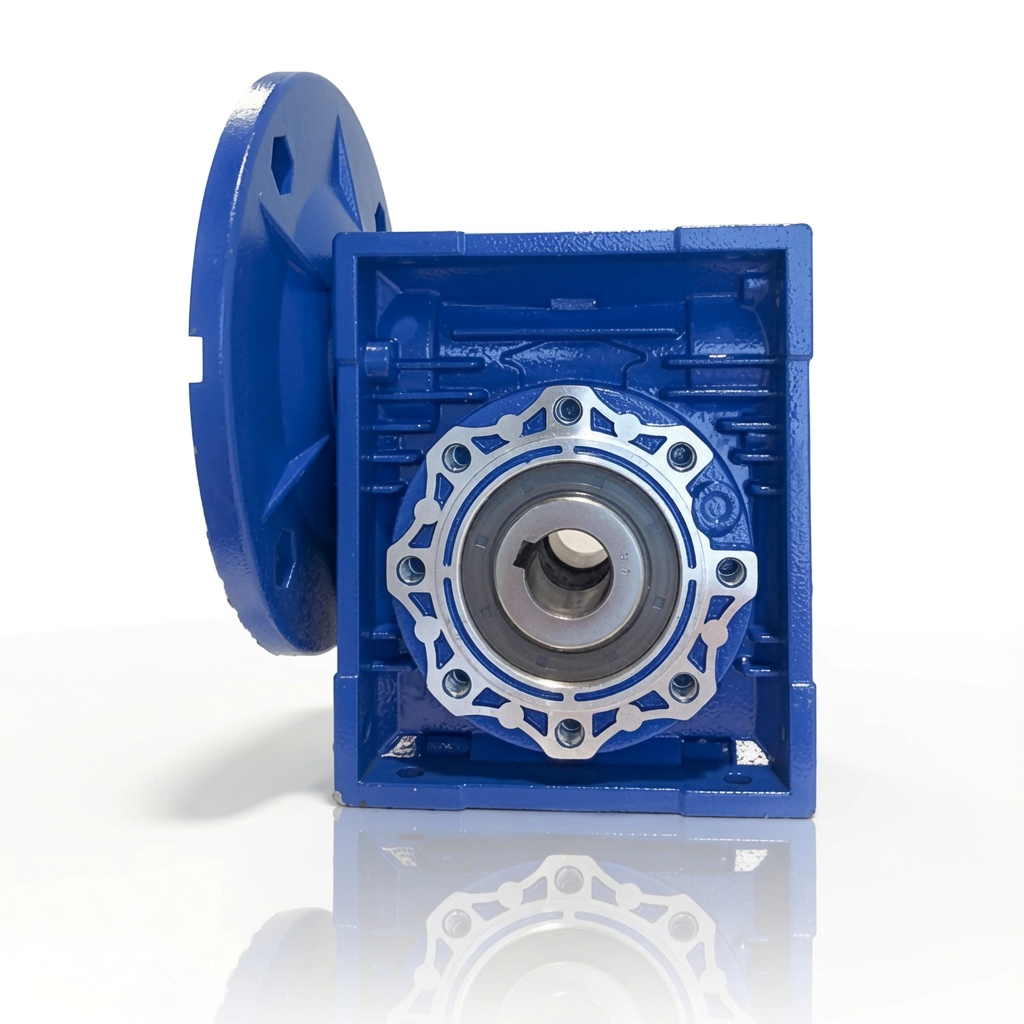
Dostępne w rozmiarach ramy od 025 do 150. Jednostopniowe przełożenia redukcyjne od 5:1 do 100:1. Moment obrotowy wyjściowy do 4200 N·m. Obudowa z aluminium lub żeliwa sferoidalnego. Kołnierz silnika IEC B5/B14. Standard IP65, opcjonalnie IP66/IP67. Smarowanie olejem syntetycznym lub mineralnym.
Standardy zgodności i jakości
Certyfikowany system zarządzania jakością. Każda jednostka produkowana i kontrolowana zgodnie z udokumentowanym systemem zarządzania jakością (QMS) z pełną identyfikowalnością.
Oznaczenie CE zgodne z Dyrektywą Maszynową UE. Szeroko akceptowane w projektach inżynieryjnych w Australii i Nowej Zelandii.
Wymiary kołnierza i wału zgodne z normą IEC. Kompatybilność z montażem bezpośrednim wszystkich głównych marek silników.
Pyłoszczelność i odporność na strumienie wody pod wysokim ciśnieniem. Standard dla instalacji zewnętrznych w Australii.
Studia przypadków
Case Study 1 — Wheat Combine Harvester, Mallee Region VIC
Grain Unloading Horizontal Auger Drive
Problem klienta: A wheat farmer was experiencing gearbox oil leaks on the horizontal grain unloading auger contaminating the grain sample — a Grade 1 quality penalty in Australian wheat markets. The seal failures were occurring after approximately 200 operating hours each season.
Rozwiązanie: NMRV-090 worm gearbox (ratio 20:1, upgraded FKM double-lip seals, IP65, synthetic lubricant) was installed. FKM seals provide 3× the service life of standard NBR seals under constant UV and temperature cycling.
Wynik: Zero oil contamination events over two subsequent harvest seasons (approximately 380 operating hours). The farmer’s grain samples were graded APW1 without oil penalty.
Case Study 2 — Fodder Harvester Chopper Drive, Gippsland VIC
Straw Residue Chopper and Spreader Drive
Problem klienta: A silage contractor’s fodder harvester was suffering premature gearbox failure on the straw chopper drive approximately every 6–8 weeks during the silage season. The chopper frequently encountered tangled grass causing sharp torque spikes.
Rozwiązanie: NMRV-110 worm gearbox (ratio 30:1, SF=1.75 output torque selected, taper roller bearings, IP54) was installed. The SF=1.75 selection provided adequate margin for torque spike events.
Wynik: Gearbox service life extended from 6–8 weeks to the full season (approximately 600 operating hours). Maintenance cost on the chopper drive dropped by over 70%.
Case Study 3 — Cane Harvester Topper Drive, Bundaberg QLD
Cane Topper Disc Drive
Problem klienta: A Queensland cane grower’s harvester topper disc drive was corroding rapidly during the off-season. The combination of fertiliser residue in the soil, irrigation water spray, and high humidity was attacking the painted cast iron housing.
Rozwiązanie: NRV series worm gearbox with 2-part epoxy anti-corrosion coating (IP65, synthetic lubricant, FKM seals) replaced the standard-painted unit.
Wynik: No coating failure or housing corrosion observed over two full cane seasons (approximately 800 operating hours).
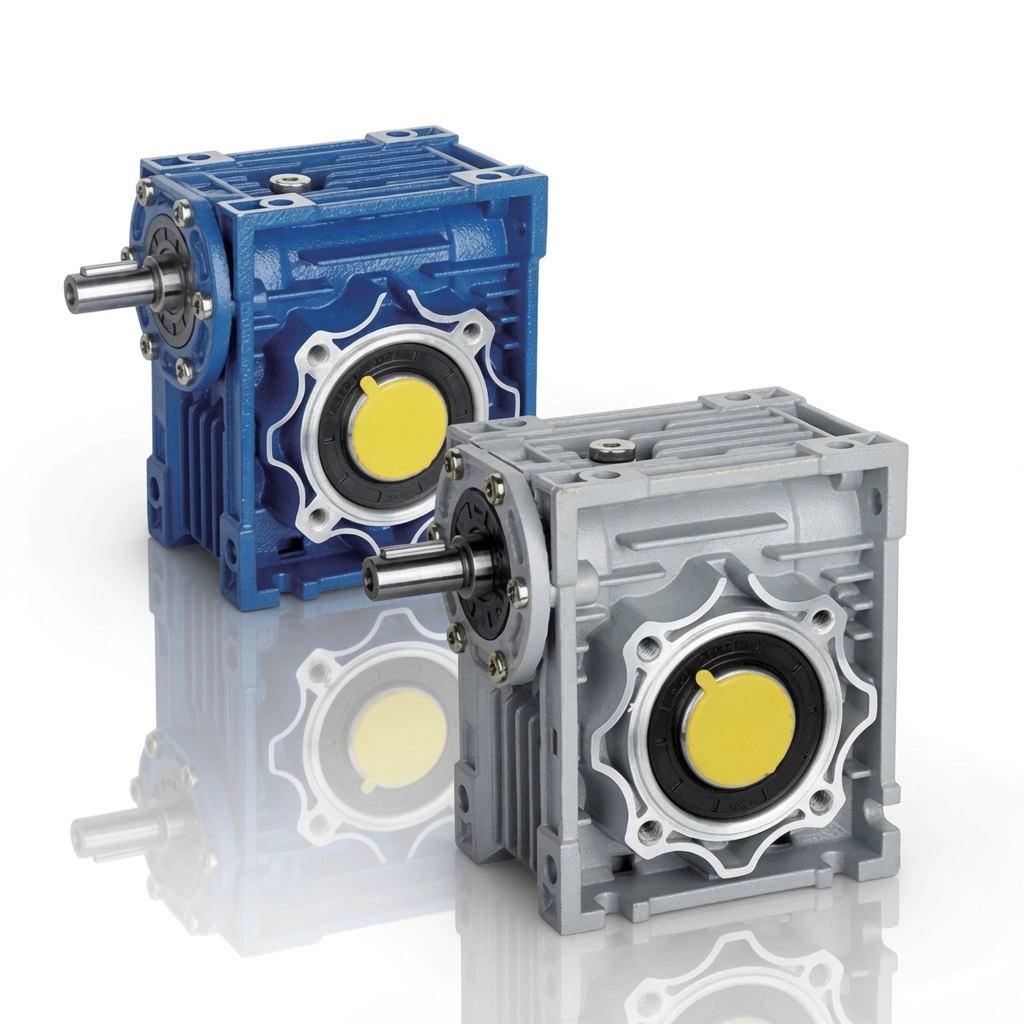
Przekładnie ślimakowe serii NMRV/NRV — rozmiary ramy od 025 do 150, produkowane zgodnie z normą ISO 9001:2015
Dlaczego warto nas wybrać?
Ponad 20 lat produkcji
Produkcja z certyfikatem ISO od 2003 roku. Przekładnie ślimakowe wysyłane do ponad 60 krajów.
Zdalna pomoc techniczna
Diagnostyka za pomocą połączeń wideo w różnych strefach czasowych Australii. Szybka reakcja bez konieczności wizyty na miejscu.
Personalizacja OEM/ODM
Wały niestandardowe, otwory przelotowe, kołnierze niestandardowe i przełożenia. Dostępny pełny przegląd rysunków.
Wartość bezpośrednio od producenta
Brak marży dystrybutora. Przejrzyste ceny hurtowe i znaczne oszczędności przy powtarzających się zamówieniach.
Stan magazynowy i szybka wysyłka
Standardowe ramy NMRV/NRV dostępne w magazynie. Pilne zamówienia realizowane z dostawą ekspresową.
Często zadawane pytania
Contact Us for Harvester Drive Selection Support
Nasi inżynierowie są gotowi polecić właściwy model przekładni ślimakowej, przełożenie, konfigurację wału i sposób montażu dla Twojego zastosowania.
Dowiedz się więcej na temat strona aplikacji lub dowiedz się o nas na strona o nas.