Worm Gearbox for Harvester Drive Systems
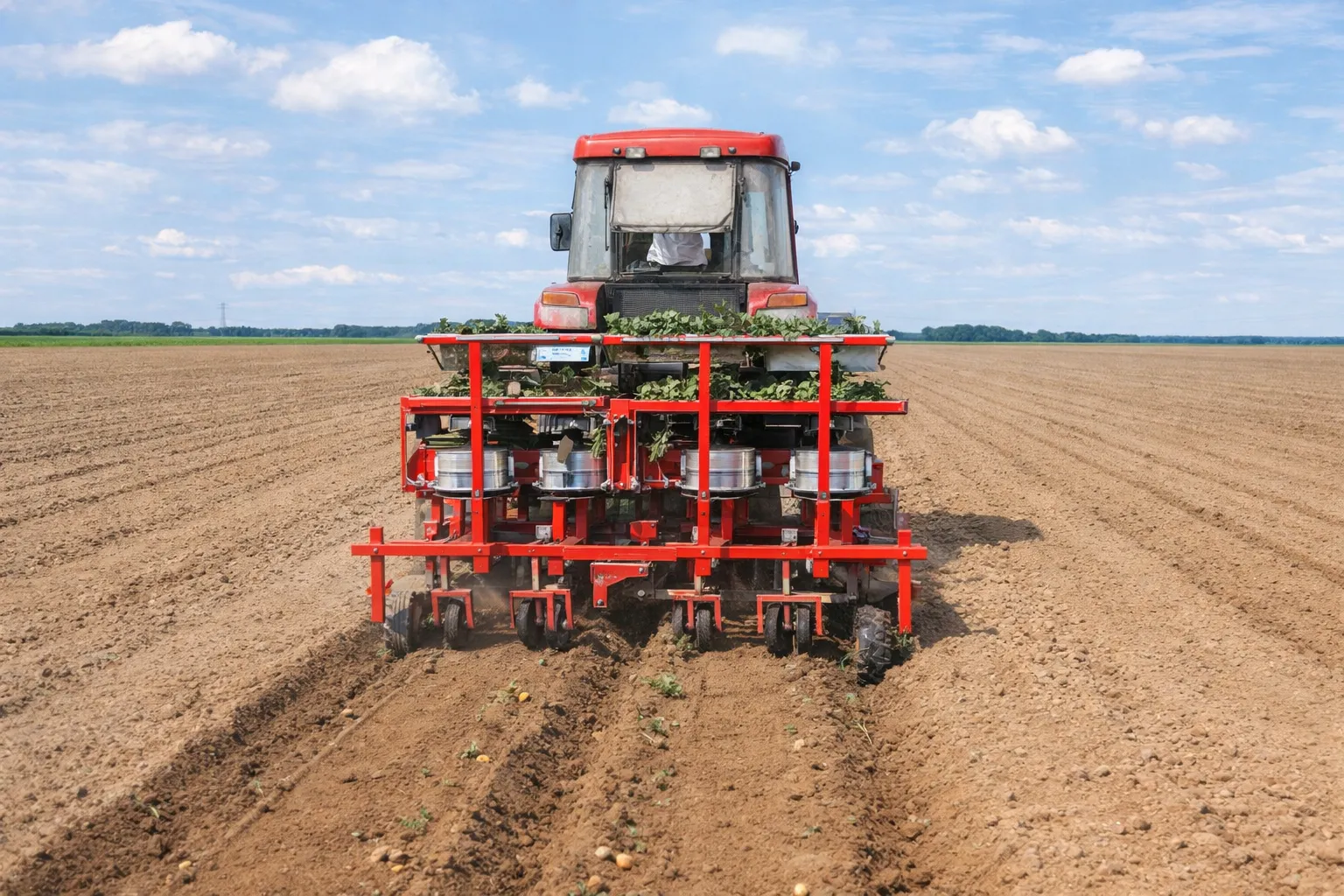
Modern agricultural harvesters — combine harvesters, fodder harvesters, cotton pickers, and cane cutters — are complex machines with multiple simultaneous drive systems, each requiring precise speed coordination and reliable torque delivery across extended harvest days. The کیڑا گیئر باکس serves as the drive component for cutting, threshing, augering, and residue processing sub-systems where high reduction ratios and compact installation are required alongside robust performance in the harsh Australian paddock environment.
Australian harvesters face particular challenges: grain crops with varying moisture content and stalk strength create unpredictable cutting resistance; rocky or uneven terrain subjects drive components to vibration and shock loads; and the remote location of most Australian farms means component failures during the narrow harvest window — often just 2–3 weeks — have disproportionately high economic impact. The worm reducer’s simple, sealed construction and minimal maintenance profile are significant advantages in this context.
Precision speed control is also increasingly important as GPS-guided automated harvesting becomes standard practice on large Australian properties. Worm reducers with VFD-controlled motors allow section-control systems to vary header and auger speeds dynamically, optimising throughput across variable crop densities without mechanical ratio changes.
صنعت کی درخواست اور استعمال کے کیسز
Worm gearboxes serve multiple roles within modern harvester drive systems:
- Header auger drive — moves cut crop toward the centre feed point at controlled speed
- Feeder house drive — controls the speed of the inclined conveyor feeding crop to the threshing drum
- Straw residue chopper drive — low-speed input to variable-speed residue spreader mechanism
- Grain unloading auger drive — slow-speed large-diameter horizontal and vertical unloading auger
- Crop divider and reel drive — precise speed matching with forward travel speed for even crop pick-up
Material specification for harvester service: Worm shaft in alloy steel (carburised and quenched, surface precision-ground). Worm wheel in cast phosphor bronze — selected for its impact absorption capability when the header auger or feeder encounters an unexpected obstruction. Housing in cast iron with IP54 minimum. Double-lip shaft seals on both input and output are standard.
Variable speed capability: By varying the motor frequency from 25–60 Hz, the output speed can be varied ±40% from nominal without changing the mechanical reduction ratio. This allows the operator to optimise cut speed for crop density and moisture conditions.

تکنیکی وضاحتیں اور سلیکشن گائیڈ
مناسب ماڈل کی شناخت کے لیے نیچے دی گئی جدول کا استعمال کریں۔ کلیدی پیرامیٹرز میں کمی کا تناسب، آؤٹ پٹ ٹارک، شافٹ کے طول و عرض، اور ہاؤسنگ میٹریل شامل ہیں۔ ہمیشہ صحیح کا اطلاق کریں۔ سروس فیکٹر (SF) آپ کے ڈیوٹی سائیکل کے لیے۔
| پیرامیٹر | عام حد / قدر | سلیکشن نوٹس |
|---|---|---|
| تناسب | 10:1 – 60:1 typical | Matches harvester drive speeds from 540 RPM PTO input |
| آؤٹ پٹ ٹارک | 100 – 1,800 N·m | SF 1.25 for header/feeder service; 1.5 for chopper drives |
| ان پٹ کنکشن | Flanged or solid shaft | IEC 60034 B5/B14 or custom to OEM header |
| آؤٹ پٹ شافٹ | ٹھوس کلید شافٹ | Hollow bore option for direct auger shaft coupling |
| ہاؤسنگ میٹریل | Cast Iron, IP54/IP65 | IP65 for unloading auger exposed to weather during operation |
| Vibration Rating | High — taper roller bearings | Taper rollers mandatory for header vibration duty |
| چکنا | SAE 90 mineral; synthetic PAO option | Synthetic recommended for 12+ hour continuous harvest days |
► سروس فیکٹر (SF): یکساں بوجھ SF=1.0 | اعتدال پسند جھٹکا SF=1.25–1.5 | شدید جھٹکا / 24 گھنٹے مسلسل SF=1.75–2.0
► محیطی درجہ حرارت: معیاری اکائیوں کی درجہ بندی -10°C سے +40°C۔ آسٹریلوی ہائی ایمبیئنٹ سائٹس (>45°C) کو ہائی ٹمپریچر سنےہک اور 15% تھرمل ڈیریٹنگ کی ضرورت ہوتی ہے۔
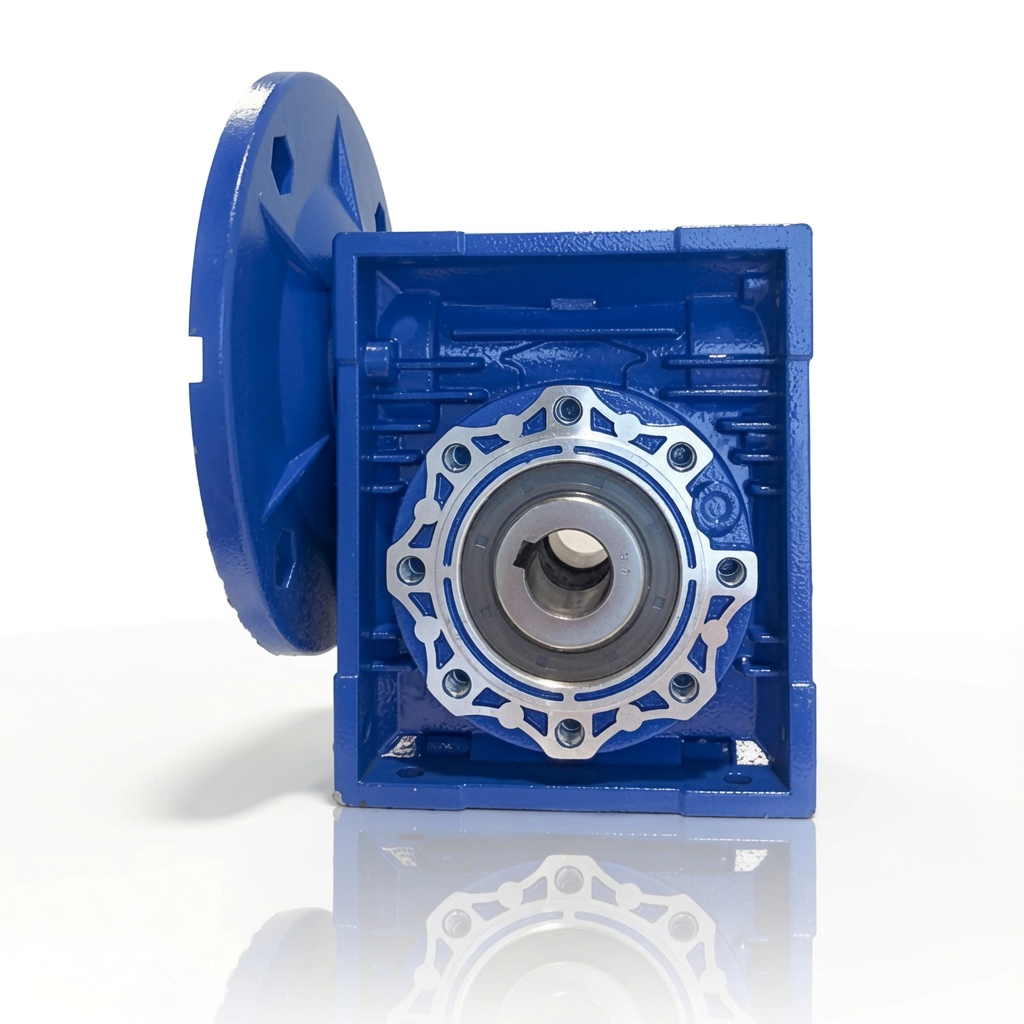
فریم سائز 025 سے 150 میں دستیاب ہے۔ سنگل اسٹیج میں کمی کا تناسب 5:1 سے 100:1۔ آؤٹ پٹ ٹارک 4,200 N·m تک۔ ایلومینیم یا ڈکٹائل آئرن ہاؤسنگ۔ IEC B5/B14 موٹر فلینج۔ IP65 معیاری، IP66/IP67 اختیاری۔ مصنوعی یا معدنی تیل کی چکنا۔
تعمیل اور معیار کے معیارات
کوالٹی مینجمنٹ سسٹم کی تصدیق۔ دستاویزی QMS کے تحت مکمل ٹریس ایبلٹی کے ساتھ ہر یونٹ تیار اور معائنہ کیا جاتا ہے۔
CE کو EU مشینری کی ہدایت کے لیے نشان زد کیا گیا ہے۔ آسٹریلوی اور نیوزی لینڈ کے انجینئرنگ پروجیکٹس پر بڑے پیمانے پر قبول کیا جاتا ہے۔
IEC معیاری فلینج اور شافٹ کے طول و عرض۔ تمام بڑے موٹر برانڈز کے ساتھ براہ راست ماؤنٹ مطابقت۔
دھول سے تنگ اور ہائی پریشر جیٹ واٹر مزاحم۔ آسٹریلوی بیرونی تنصیبات کے لیے معیاری۔
کیس اسٹڈیز
Case Study 1 — Wheat Combine Harvester, Mallee Region VIC
Grain Unloading Horizontal Auger Drive
کسٹمر درد پوائنٹ: A wheat farmer was experiencing gearbox oil leaks on the horizontal grain unloading auger contaminating the grain sample — a Grade 1 quality penalty in Australian wheat markets. The seal failures were occurring after approximately 200 operating hours each season.
حل: NMRV-090 worm gearbox (ratio 20:1, upgraded FKM double-lip seals, IP65, synthetic lubricant) was installed. FKM seals provide 3× the service life of standard NBR seals under constant UV and temperature cycling.
نتیجہ: Zero oil contamination events over two subsequent harvest seasons (approximately 380 operating hours). The farmer’s grain samples were graded APW1 without oil penalty.
Case Study 2 — Fodder Harvester Chopper Drive, Gippsland VIC
Straw Residue Chopper and Spreader Drive
کسٹمر درد پوائنٹ: A silage contractor’s fodder harvester was suffering premature gearbox failure on the straw chopper drive approximately every 6–8 weeks during the silage season. The chopper frequently encountered tangled grass causing sharp torque spikes.
حل: NMRV-110 worm gearbox (ratio 30:1, SF=1.75 output torque selected, taper roller bearings, IP54) was installed. The SF=1.75 selection provided adequate margin for torque spike events.
نتیجہ: Gearbox service life extended from 6–8 weeks to the full season (approximately 600 operating hours). Maintenance cost on the chopper drive dropped by over 70%.
Case Study 3 — Cane Harvester Topper Drive, Bundaberg QLD
Cane Topper Disc Drive
کسٹمر درد پوائنٹ: A Queensland cane grower’s harvester topper disc drive was corroding rapidly during the off-season. The combination of fertiliser residue in the soil, irrigation water spray, and high humidity was attacking the painted cast iron housing.
حل: NRV series worm gearbox with 2-part epoxy anti-corrosion coating (IP65, synthetic lubricant, FKM seals) replaced the standard-painted unit.
نتیجہ: No coating failure or housing corrosion observed over two full cane seasons (approximately 800 operating hours).
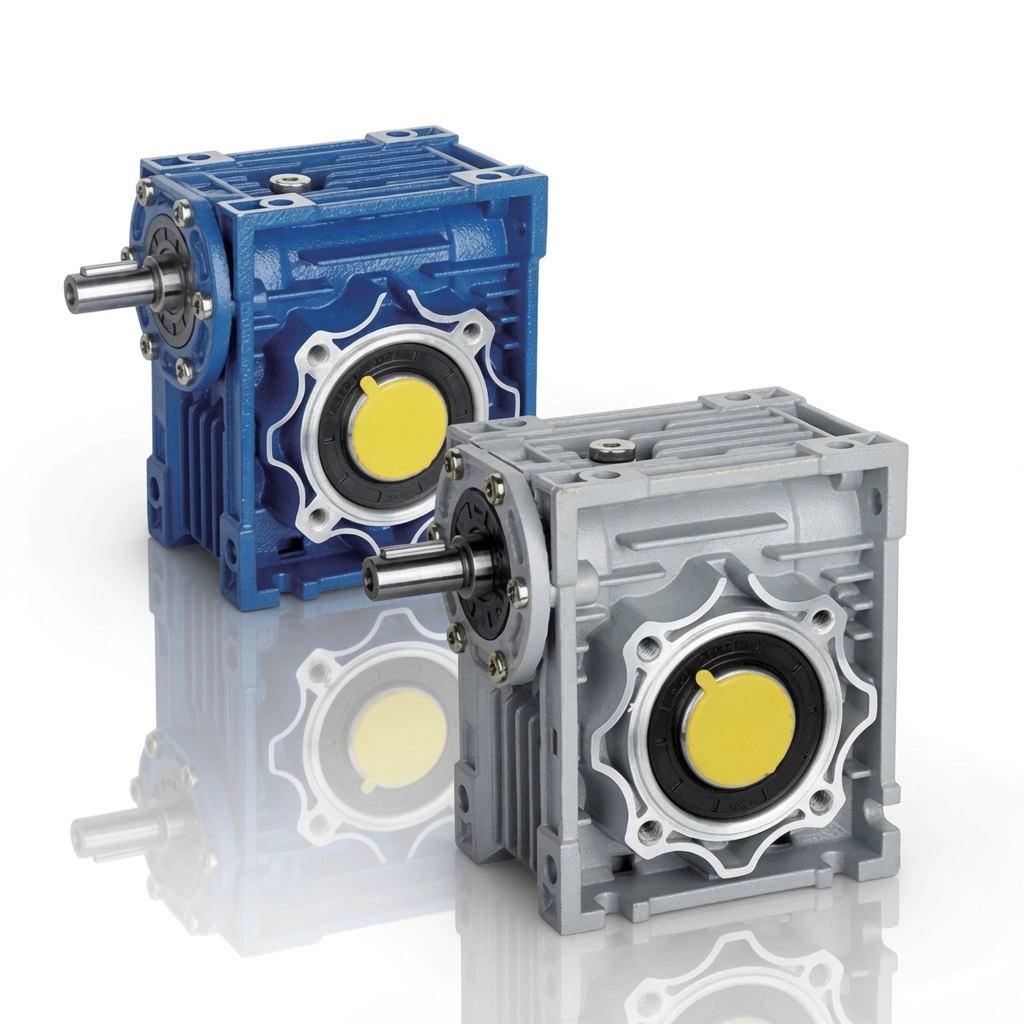
NMRV / NRV سیریز کے ورم گیئر باکسز - فریم سائز 025 سے 150، ISO 9001:2015 پر تیار کیے گئے
ہمیں کیوں منتخب کریں؟
20+ سال مینوفیکچرنگ
2003 سے آئی ایس او سے تصدیق شدہ پیداوار۔ ورم گیئر باکس 60+ ممالک کو بھیجے گئے۔
ریموٹ ٹیکنیکل سپورٹ
آسٹریلوی ٹائم زونز میں ویڈیو کال کی تشخیص۔ آن سائٹ وزٹ کے بغیر تیز ردعمل۔
OEM / ODM حسب ضرورت
غیر معیاری شافٹ، کھوکھلی بور، اپنی مرضی کے فلینج اور تناسب۔ مکمل ڈرائنگ کا جائزہ دستیاب ہے۔
فیکٹری-ڈائریکٹ ویلیو
کوئی تقسیم کار مارجن نہیں۔ دوبارہ آرڈرز پر نمایاں بچت کے ساتھ شفاف حجم کی قیمت۔
اسٹاک اور فاسٹ ڈسپیچ
گودام اسٹاک میں معیاری NMRV/NRV فریم۔ ایکسپریس فریٹ کے لیے فوری احکامات پر کارروائی کی گئی۔
اکثر پوچھے گئے سوالات
Contact Us for Harvester Drive Selection Support
ہمارے انجینئرز آپ کی درخواست کے لیے صحیح ورم گیئر باکس ماڈل، تناسب، شافٹ کنفیگریشن، اور بڑھتے ہوئے انتظامات کی سفارش کرنے کے لیے تیار ہیں۔
پر مزید دریافت کریں۔ درخواستوں کا صفحہ یا پر ہمارے بارے میں جانیں۔ ہمارے بارے میں صفحہ.