Reductor de engranajes helicoidales para mezcladoras de piensos
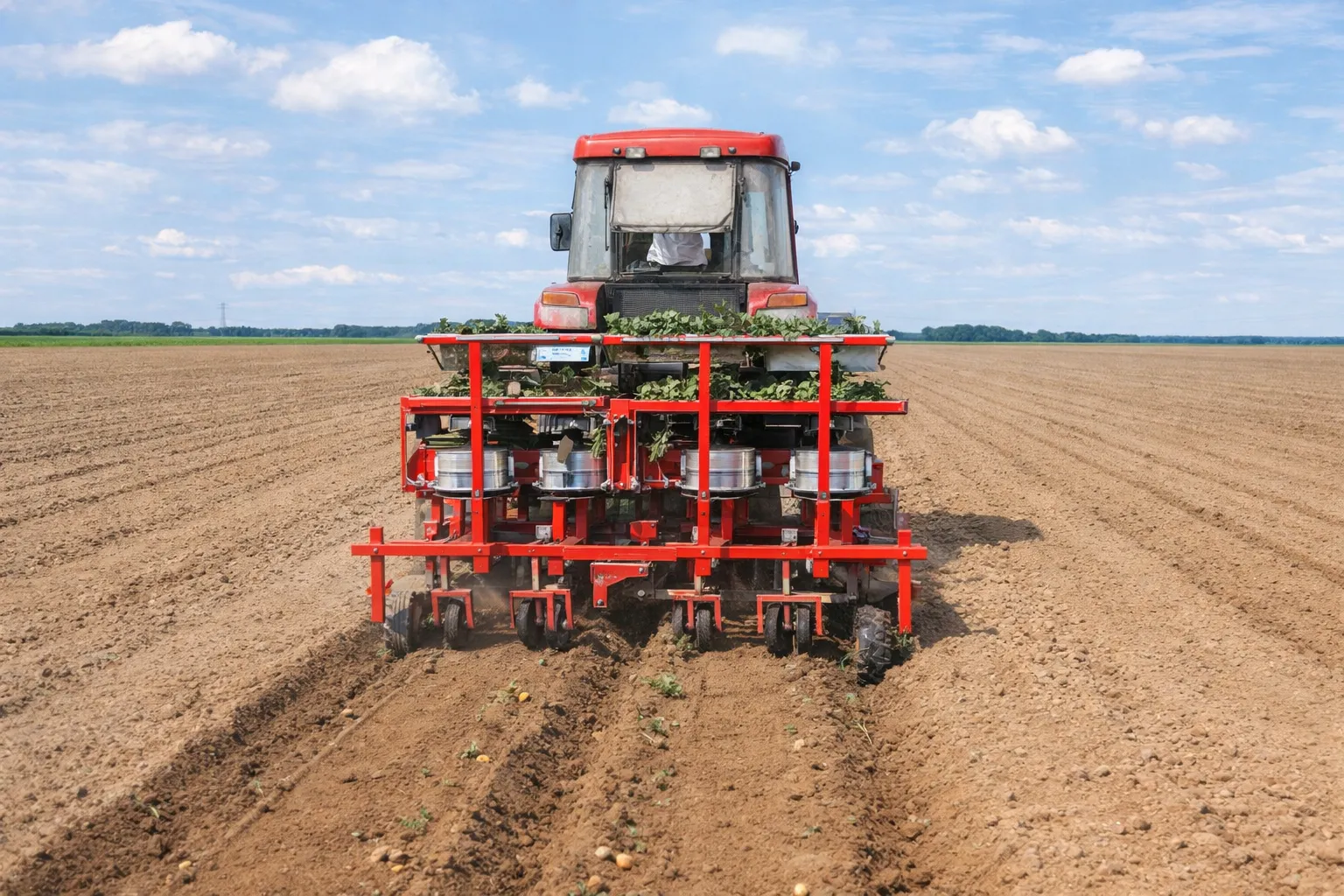
Feed mixers — vertical auger mixers, horizontal paddle mixers, and reel-type total mixed ration (TMR) wagons — are the central processing equipment in Australian cattle feedlots, sheep stations, and dairy farms. They must mix dry fodder, silage, concentrates, and minerals into a homogeneous ration under varying load conditions, often operating for multiple hours per day. The reductor de engranajes helicoidales provides the low-speed, high-torque drive required by mixing augers and paddles from a standard motor, in a compact sealed unit that requires minimal maintenance and can be serviced on-farm.
Australian livestock properties — particularly remote cattle stations in Queensland and the Northern Territory — often operate feed mixer equipment for months between access to qualified mechanical technicians. The worm reducer’s low-maintenance design — oil-bath lubrication, sealed housing, no chains or belts to adjust — is a significant operational advantage in these remote settings. A single annual oil change and seal inspection is the complete maintenance requirement for most installations.
The self-locking property of worm gearboxes also benefits feed mixer applications: when the drive is stopped between mixing batches, the auger or paddle remains stationary without a brake, preventing the load from slowly rotating under gravity and spilling partial batches during loading or discharge operations.
Aplicaciones y casos de uso en la industria
Worm reducers are found throughout feed processing and mixing systems on Australian livestock properties:
- Vertical auger TMR mixer drive — single or twin auger drive at 20–60 RPM, high starting torque against dense silage
- Horizontal paddle mixer drive — slow rotary paddle action for gentle mixing of feed components
- Reel mixer wagon drive — controlled rotation of the mixing reel and discharge conveyor
- Feed auger hopper discharge drive — controlled volumetric discharge from feed storage hopper
- Mineral and molasses dosing drive — precise low-speed metering of liquid and solid supplements
Material specification for feed mixer service: Worm shaft in carbon steel with precision-ground helical thread and surface hardening. Worm wheel in cast phosphor bronze — the low friction coefficient is particularly important in feed mixer service where the gearbox may run 4–8 hours per day. Housing in cast iron with heat-dissipation fin casting. IP54 sealing as minimum; IP65 for outdoor feedlot environments exposed to dust storms and rain.
Starting torque requirements: Feed mixers have exceptionally high starting torque requirements — frozen or compacted silage can require 3–5× the running torque to break initial static friction. A service factor of SF=1.5 is recommended for standard feed mixer service, increasing to SF=2.0 for mixers handling frozen feed in winter months.
Especificaciones técnicas y guía de selección
Utilice la tabla a continuación para identificar el modelo apropiado. Los parámetros clave incluyen la relación de reducción, el par de salida, las dimensiones del eje y el material de la carcasa. Aplique siempre el correcto Factor de servicio (SF) para su ciclo de trabajo.
| Parámetro | Rango/Valor típico | Notas de selección |
|---|---|---|
| Relación | 20:1 – 60:1 typical for mixers | Provides 25–70 RPM output from standard 4-pole motor |
| Par de salida | 200 – 3,000 N·m | Apply SF 1.5; increase to 2.0 for cold-start frozen silage duty |
| Eje de entrada | IEC B5/B14 flange, IEC 60034 | Direct-mount to farm-standard single or three-phase motors |
| Eje de salida | Solid keyed or hollow bore | Hollow bore for direct auger shaft pass-through |
| Material de vivienda | Cast Iron with fin casting | Essential for continuous 4+ hour mixer duty thermal management |
| Sellos de eje | Double-lip NBR; FKM for wet/chemical feed | Upgrade to FKM for mixers handling liquid supplements or acids |
| Clase de protección | IP54 indoor; IP65 outdoor feedlot | IP65 for dusty Australian feedlot environments |
► Factor de servicio (FS): Carga uniforme SF=1,0 | Choque moderado SF=1,25–1,5 | Choque fuerte / 24 h continuo SF=1,75–2,0
► Temperatura ambiente: Las unidades estándar tienen una clasificación de -10 °C a +40 °C. Las instalaciones australianas con altas temperaturas ambiente (>45 °C) requieren lubricante de alta temperatura y una reducción de la capacidad térmica según la norma 15%.
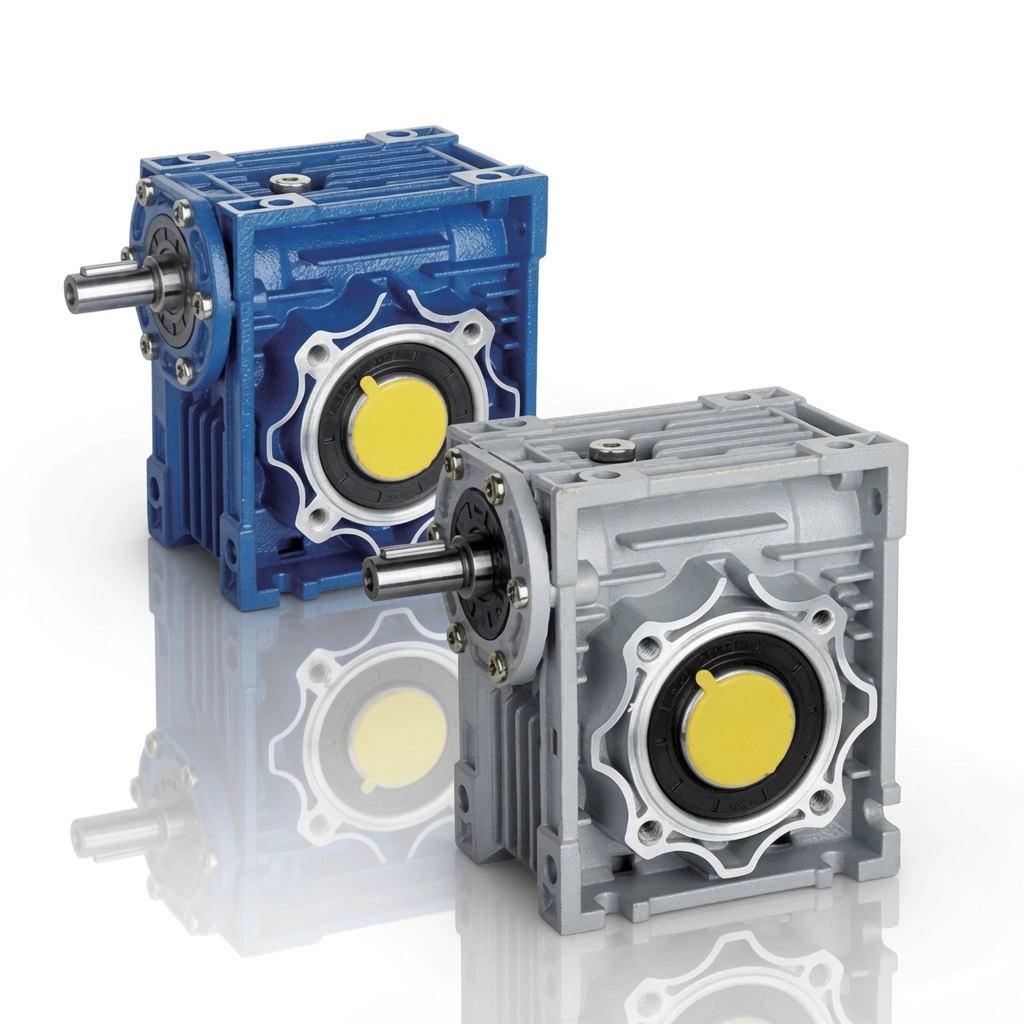
Disponible en tamaños de bastidor de 025 a 150. Reducción de una etapa de 5:1 a 100:1. Par de salida de hasta 4200 N·m. Carcasa de aluminio o hierro dúctil. Brida del motor IEC B5/B14. Protección IP65 estándar, IP66/IP67 opcional. Lubricación con aceite sintético o mineral.
Normas de cumplimiento y calidad
Sistema de gestión de calidad certificado. Cada unidad se fabrica e inspecciona bajo un SGC documentado con trazabilidad completa.
Con certificación CE conforme a la Directiva de Maquinaria de la UE. Ampliamente utilizada en proyectos de ingeniería en Australia y Nueva Zelanda.
Dimensiones de bridas y ejes según la norma IEC. Compatibilidad de montaje directo con todas las principales marcas de motores.
Resistente al polvo y a los chorros de agua a alta presión. El estándar para instalaciones exteriores en Australia.
Estudios de caso
Case Study 1 — Cattle Feedlot TMR Mixer, Darling Downs QLD
Vertical Auger TMR Mixer Wagon — 14 m³
Problema del cliente: A 10,000-head cattle feedlot was experiencing worm gearbox failure every 5–6 months on their TMR mixer wagon. Post-failure inspection consistently showed worm wheel wear concentrated on one side of the tooth face — evidence of misalignment between the gearbox and the auger drive shaft.
Solución: NRV-110 worm gearbox (ratio 40:1, SF=1.75, taper roller bearings) plus a flexible jaw coupling between the gearbox output and auger input shaft to absorb residual misalignment.
Resultado: Worm wheel life extended from 5–6 months to over 22 months at first replacement assessment. The feedlot maintenance manager estimated annual saving of $11,000 in gearbox parts and labour.
Case Study 2 — Sheep Station Supplementary Feeder, Broken Hill NSW
Horizontal Paddle Feed Mixer — Remote Station
Problema del cliente: A remote sheep station 180 km from the nearest town was experiencing feed mixer gearbox oil contamination — fine red dust from the arid environment was ingressing through shaft seals, mixing with the mineral oil and causing abrasive wear on the worm shaft thread.
Solución: NMRV-090 worm gearbox with IP65 housing, double-lip FKM shaft seals, and synthetic PAO lubricant (5,000-hour change interval) was installed.
Resultado: No dust contamination events in 30 months of operation and three seasonal inspections. The station owner confirmed the gearbox required only a single oil level check per season.
Case Study 3 — Dairy Farm Feed Mixer, Gippsland VIC
Reel Mixer Wagon — Mixed Dairy TMR
Problema del cliente: A Gippsland dairy farm’s reel mixer wagon gearbox was experiencing seal failures during winter — cold-start condensation and wet silage splash were forming an oil-water emulsion that accelerated bearing and worm surface corrosion.
Solución: NRV series worm gearbox (ratio 30:1, cast iron, double-lip FKM seals, synthetic ISO VG 320, IP65, corrosion-inhibited housing coating) replaced the standard-specification unit.
Resultado: Oil emulsification eliminated over the first full winter post-installation. Bearing inspection at 12 months showed no corrosion pitting.
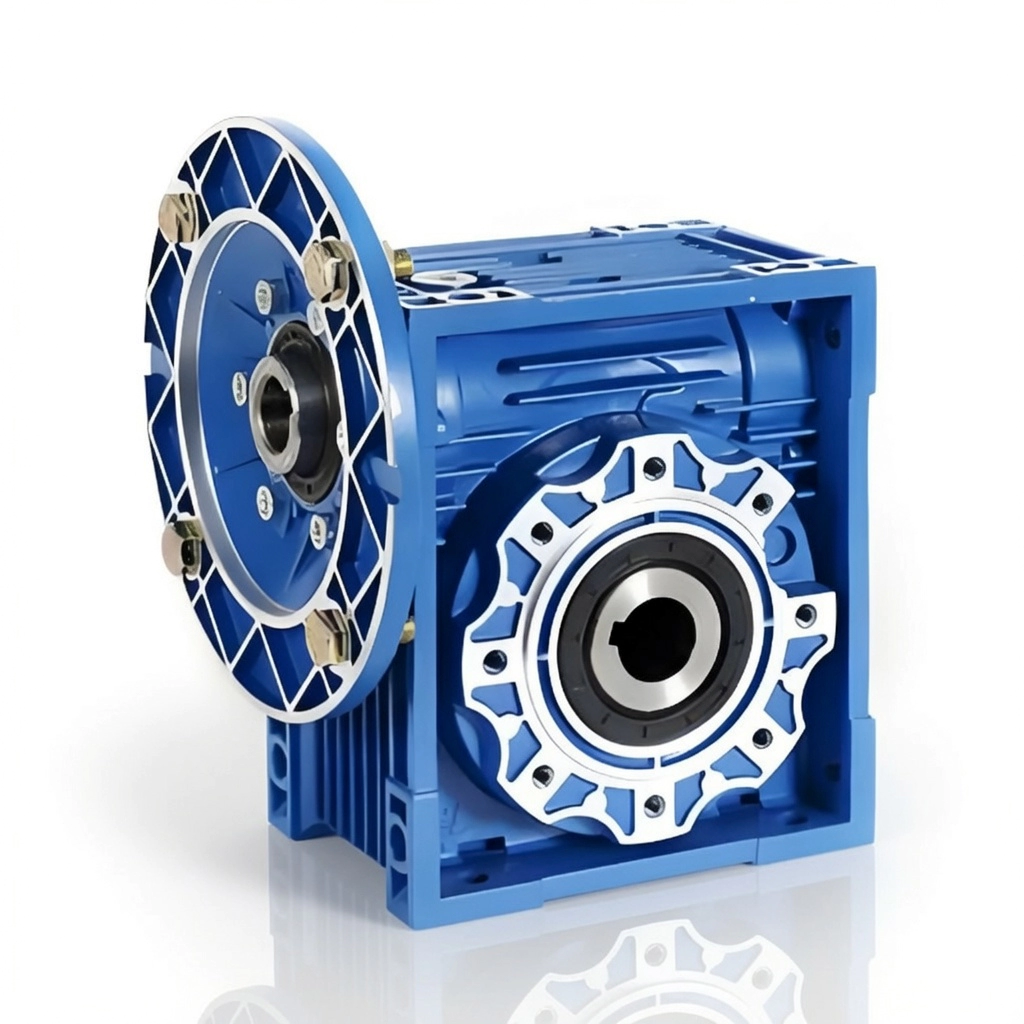
Reductores de tornillo sin fin de la serie NMRV / NRV — tamaños de bastidor 025 a 150, fabricados según la norma ISO 9001:2015
¿Por qué elegirnos?
Más de 20 años de experiencia en fabricación.
Producción con certificación ISO desde 2003. Reductores de tornillo sin fin enviados a más de 60 países.
Soporte técnico remoto
Diagnóstico mediante videollamada en todas las zonas horarias de Australia. Respuesta rápida sin necesidad de visitas presenciales.
Personalización OEM/ODM
Ejes no estándar, orificios huecos, bridas y relaciones personalizadas. Posibilidad de consultar los planos completos.
Valor directo de fábrica
Sin margen de distribuidor. Precios transparentes por volumen con importantes ahorros en pedidos repetidos.
En stock y envío rápido
Bastidores NMRV/NRV estándar en stock en almacén. Pedidos urgentes tramitados para envío exprés.
Preguntas frecuentes
Get Feed Mixer Gearbox Selection Advice
Nuestros ingenieros están preparados para recomendarle el modelo de reductor de tornillo sin fin, la relación de transmisión, la configuración del eje y el sistema de montaje adecuados para su aplicación.
Explora más en el página de aplicaciones o conozca más sobre nosotros en el Página "Acerca de nosotros".