Worm Gear Reducer for Feed Mixers
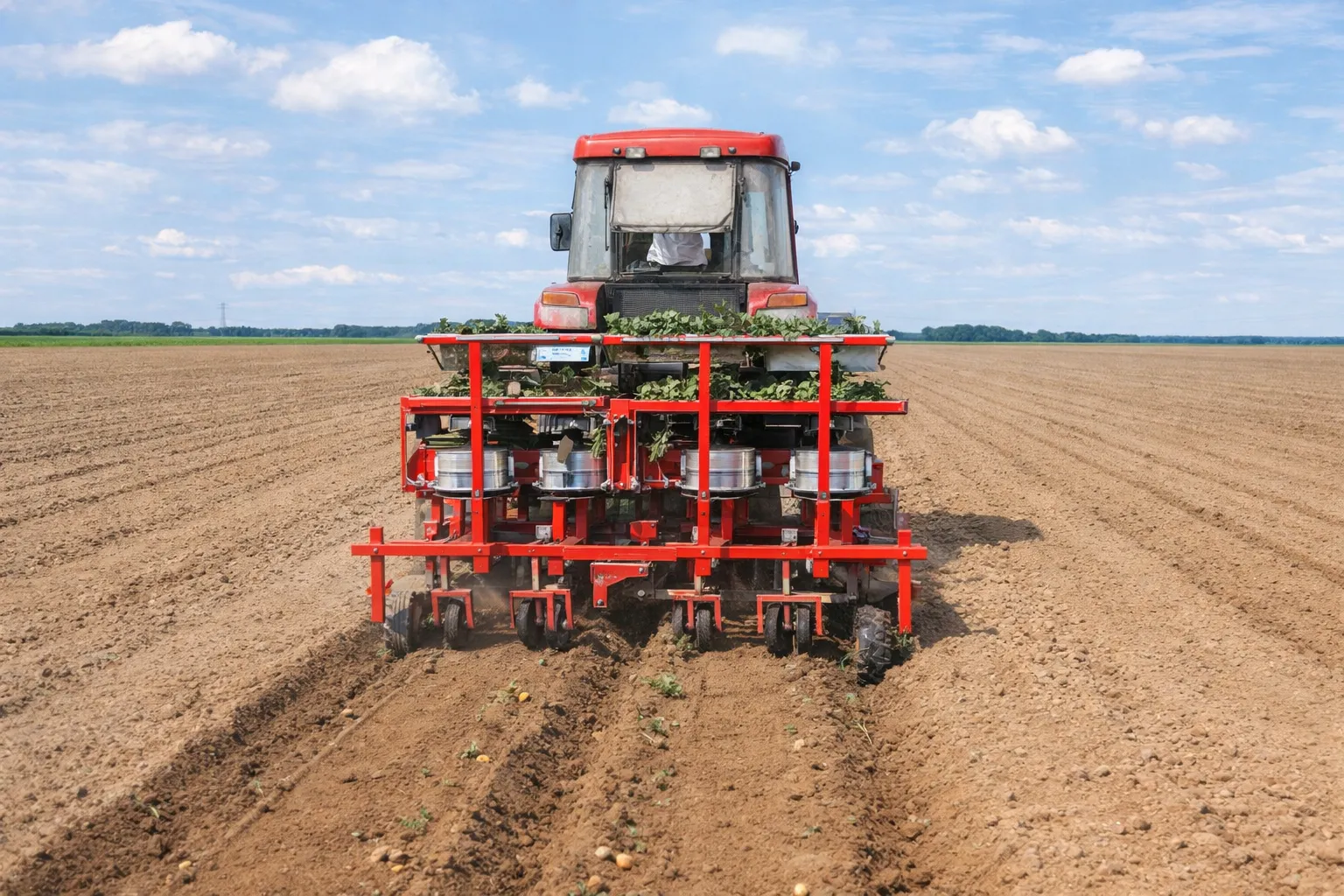
Feed mixers — vertical auger mixers, horizontal paddle mixers, and reel-type total mixed ration (TMR) wagons — are the central processing equipment in Australian cattle feedlots, sheep stations, and dairy farms. They must mix dry fodder, silage, concentrates, and minerals into a homogeneous ration under varying load conditions, often operating for multiple hours per day. The کیڑا گیئر کم کرنے والا provides the low-speed, high-torque drive required by mixing augers and paddles from a standard motor, in a compact sealed unit that requires minimal maintenance and can be serviced on-farm.
Australian livestock properties — particularly remote cattle stations in Queensland and the Northern Territory — often operate feed mixer equipment for months between access to qualified mechanical technicians. The worm reducer’s low-maintenance design — oil-bath lubrication, sealed housing, no chains or belts to adjust — is a significant operational advantage in these remote settings. A single annual oil change and seal inspection is the complete maintenance requirement for most installations.
The self-locking property of worm gearboxes also benefits feed mixer applications: when the drive is stopped between mixing batches, the auger or paddle remains stationary without a brake, preventing the load from slowly rotating under gravity and spilling partial batches during loading or discharge operations.
صنعت کی درخواست اور استعمال کے کیسز
Worm reducers are found throughout feed processing and mixing systems on Australian livestock properties:
- Vertical auger TMR mixer drive — single or twin auger drive at 20–60 RPM, high starting torque against dense silage
- Horizontal paddle mixer drive — slow rotary paddle action for gentle mixing of feed components
- Reel mixer wagon drive — controlled rotation of the mixing reel and discharge conveyor
- Feed auger hopper discharge drive — controlled volumetric discharge from feed storage hopper
- Mineral and molasses dosing drive — precise low-speed metering of liquid and solid supplements
Material specification for feed mixer service: Worm shaft in carbon steel with precision-ground helical thread and surface hardening. Worm wheel in cast phosphor bronze — the low friction coefficient is particularly important in feed mixer service where the gearbox may run 4–8 hours per day. Housing in cast iron with heat-dissipation fin casting. IP54 sealing as minimum; IP65 for outdoor feedlot environments exposed to dust storms and rain.
Starting torque requirements: Feed mixers have exceptionally high starting torque requirements — frozen or compacted silage can require 3–5× the running torque to break initial static friction. A service factor of SF=1.5 is recommended for standard feed mixer service, increasing to SF=2.0 for mixers handling frozen feed in winter months.
تکنیکی وضاحتیں اور سلیکشن گائیڈ
مناسب ماڈل کی شناخت کے لیے نیچے دی گئی جدول کا استعمال کریں۔ کلیدی پیرامیٹرز میں کمی کا تناسب، آؤٹ پٹ ٹارک، شافٹ کے طول و عرض، اور ہاؤسنگ میٹریل شامل ہیں۔ ہمیشہ صحیح کا اطلاق کریں۔ سروس فیکٹر (SF) آپ کے ڈیوٹی سائیکل کے لیے۔
| پیرامیٹر | عام حد / قدر | سلیکشن نوٹس |
|---|---|---|
| تناسب | 20:1 – 60:1 typical for mixers | Provides 25–70 RPM output from standard 4-pole motor |
| آؤٹ پٹ ٹارک | 200 – 3,000 N·m | Apply SF 1.5; increase to 2.0 for cold-start frozen silage duty |
| ان پٹ شافٹ | IEC B5/B14 flange, IEC 60034 | Direct-mount to farm-standard single or three-phase motors |
| آؤٹ پٹ شافٹ | Solid keyed or hollow bore | Hollow bore for direct auger shaft pass-through |
| ہاؤسنگ میٹریل | Cast Iron with fin casting | Essential for continuous 4+ hour mixer duty thermal management |
| Shaft Seals | Double-lip NBR; FKM for wet/chemical feed | Upgrade to FKM for mixers handling liquid supplements or acids |
| پروٹیکشن کلاس | IP54 indoor; IP65 outdoor feedlot | IP65 for dusty Australian feedlot environments |
► سروس فیکٹر (SF): یکساں بوجھ SF=1.0 | اعتدال پسند جھٹکا SF=1.25–1.5 | شدید جھٹکا / 24 گھنٹے مسلسل SF=1.75–2.0
► محیطی درجہ حرارت: معیاری اکائیوں کی درجہ بندی -10°C سے +40°C۔ آسٹریلوی ہائی ایمبیئنٹ سائٹس (>45°C) کو ہائی ٹمپریچر سنےہک اور 15% تھرمل ڈیریٹنگ کی ضرورت ہوتی ہے۔
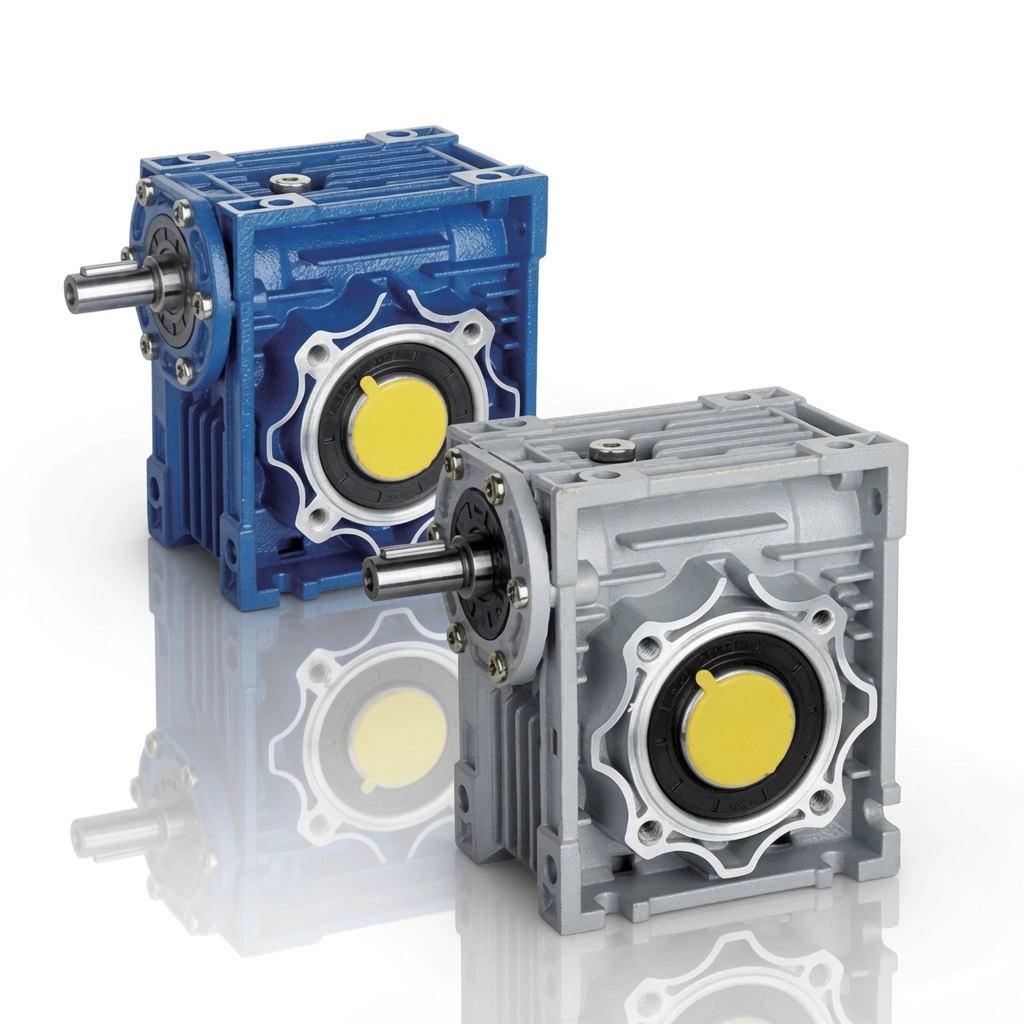
فریم سائز 025 سے 150 میں دستیاب ہے۔ سنگل اسٹیج میں کمی کا تناسب 5:1 سے 100:1۔ آؤٹ پٹ ٹارک 4,200 N·m تک۔ ایلومینیم یا ڈکٹائل آئرن ہاؤسنگ۔ IEC B5/B14 موٹر فلینج۔ IP65 معیاری، IP66/IP67 اختیاری۔ مصنوعی یا معدنی تیل کی چکنا۔
تعمیل اور معیار کے معیارات
کوالٹی مینجمنٹ سسٹم کی تصدیق۔ دستاویزی QMS کے تحت مکمل ٹریس ایبلٹی کے ساتھ ہر یونٹ تیار اور معائنہ کیا جاتا ہے۔
CE کو EU مشینری کی ہدایت کے لیے نشان زد کیا گیا ہے۔ آسٹریلوی اور نیوزی لینڈ کے انجینئرنگ پروجیکٹس پر بڑے پیمانے پر قبول کیا جاتا ہے۔
IEC معیاری فلینج اور شافٹ کے طول و عرض۔ تمام بڑے موٹر برانڈز کے ساتھ براہ راست ماؤنٹ مطابقت۔
دھول سے تنگ اور ہائی پریشر جیٹ واٹر مزاحم۔ آسٹریلوی بیرونی تنصیبات کے لیے معیاری۔
کیس اسٹڈیز
Case Study 1 — Cattle Feedlot TMR Mixer, Darling Downs QLD
Vertical Auger TMR Mixer Wagon — 14 m³
کسٹمر درد پوائنٹ: A 10,000-head cattle feedlot was experiencing worm gearbox failure every 5–6 months on their TMR mixer wagon. Post-failure inspection consistently showed worm wheel wear concentrated on one side of the tooth face — evidence of misalignment between the gearbox and the auger drive shaft.
حل: NRV-110 worm gearbox (ratio 40:1, SF=1.75, taper roller bearings) plus a flexible jaw coupling between the gearbox output and auger input shaft to absorb residual misalignment.
نتیجہ: Worm wheel life extended from 5–6 months to over 22 months at first replacement assessment. The feedlot maintenance manager estimated annual saving of $11,000 in gearbox parts and labour.
Case Study 2 — Sheep Station Supplementary Feeder, Broken Hill NSW
Horizontal Paddle Feed Mixer — Remote Station
کسٹمر درد پوائنٹ: A remote sheep station 180 km from the nearest town was experiencing feed mixer gearbox oil contamination — fine red dust from the arid environment was ingressing through shaft seals, mixing with the mineral oil and causing abrasive wear on the worm shaft thread.
حل: NMRV-090 worm gearbox with IP65 housing, double-lip FKM shaft seals, and synthetic PAO lubricant (5,000-hour change interval) was installed.
نتیجہ: No dust contamination events in 30 months of operation and three seasonal inspections. The station owner confirmed the gearbox required only a single oil level check per season.
Case Study 3 — Dairy Farm Feed Mixer, Gippsland VIC
Reel Mixer Wagon — Mixed Dairy TMR
کسٹمر درد پوائنٹ: A Gippsland dairy farm’s reel mixer wagon gearbox was experiencing seal failures during winter — cold-start condensation and wet silage splash were forming an oil-water emulsion that accelerated bearing and worm surface corrosion.
حل: NRV series worm gearbox (ratio 30:1, cast iron, double-lip FKM seals, synthetic ISO VG 320, IP65, corrosion-inhibited housing coating) replaced the standard-specification unit.
نتیجہ: Oil emulsification eliminated over the first full winter post-installation. Bearing inspection at 12 months showed no corrosion pitting.
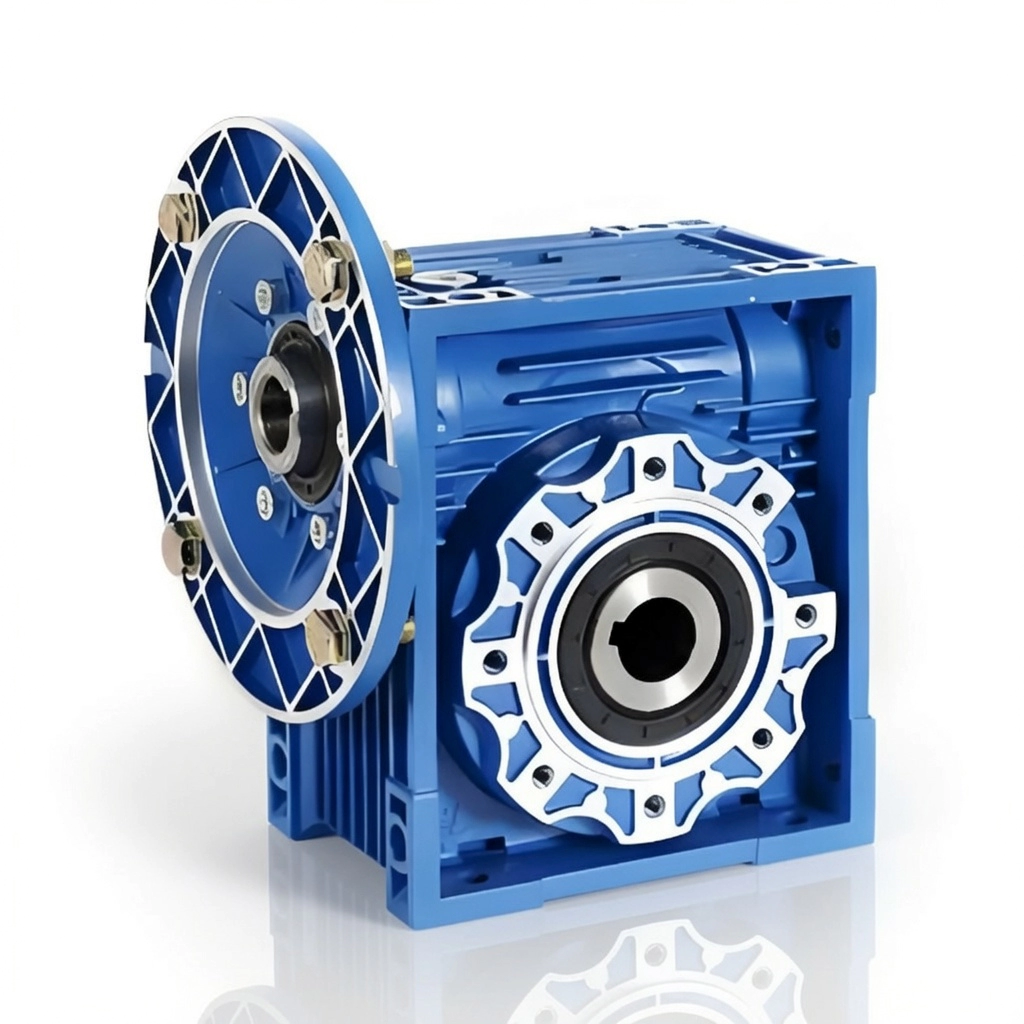
NMRV / NRV سیریز کے ورم گیئر باکسز - فریم سائز 025 سے 150، ISO 9001:2015 پر تیار کیے گئے
ہمیں کیوں منتخب کریں؟
20+ سال مینوفیکچرنگ
2003 سے آئی ایس او سے تصدیق شدہ پیداوار۔ ورم گیئر باکس 60+ ممالک کو بھیجے گئے۔
ریموٹ ٹیکنیکل سپورٹ
آسٹریلوی ٹائم زونز میں ویڈیو کال کی تشخیص۔ آن سائٹ وزٹ کے بغیر تیز ردعمل۔
OEM / ODM حسب ضرورت
غیر معیاری شافٹ، کھوکھلی بور، اپنی مرضی کے فلینج اور تناسب۔ مکمل ڈرائنگ کا جائزہ دستیاب ہے۔
فیکٹری-ڈائریکٹ ویلیو
کوئی تقسیم کار مارجن نہیں۔ دوبارہ آرڈرز پر نمایاں بچت کے ساتھ شفاف حجم کی قیمت۔
اسٹاک اور فاسٹ ڈسپیچ
گودام اسٹاک میں معیاری NMRV/NRV فریم۔ ایکسپریس فریٹ کے لیے فوری احکامات پر کارروائی کی گئی۔
اکثر پوچھے گئے سوالات
Get Feed Mixer Gearbox Selection Advice
ہمارے انجینئرز آپ کی درخواست کے لیے صحیح ورم گیئر باکس ماڈل، تناسب، شافٹ کنفیگریشن، اور بڑھتے ہوئے انتظامات کی سفارش کرنے کے لیے تیار ہیں۔
پر مزید دریافت کریں۔ درخواستوں کا صفحہ یا پر ہمارے بارے میں جانیں۔ ہمارے بارے میں صفحہ.