Riduttore a vite senza fine per frantoi da miniera
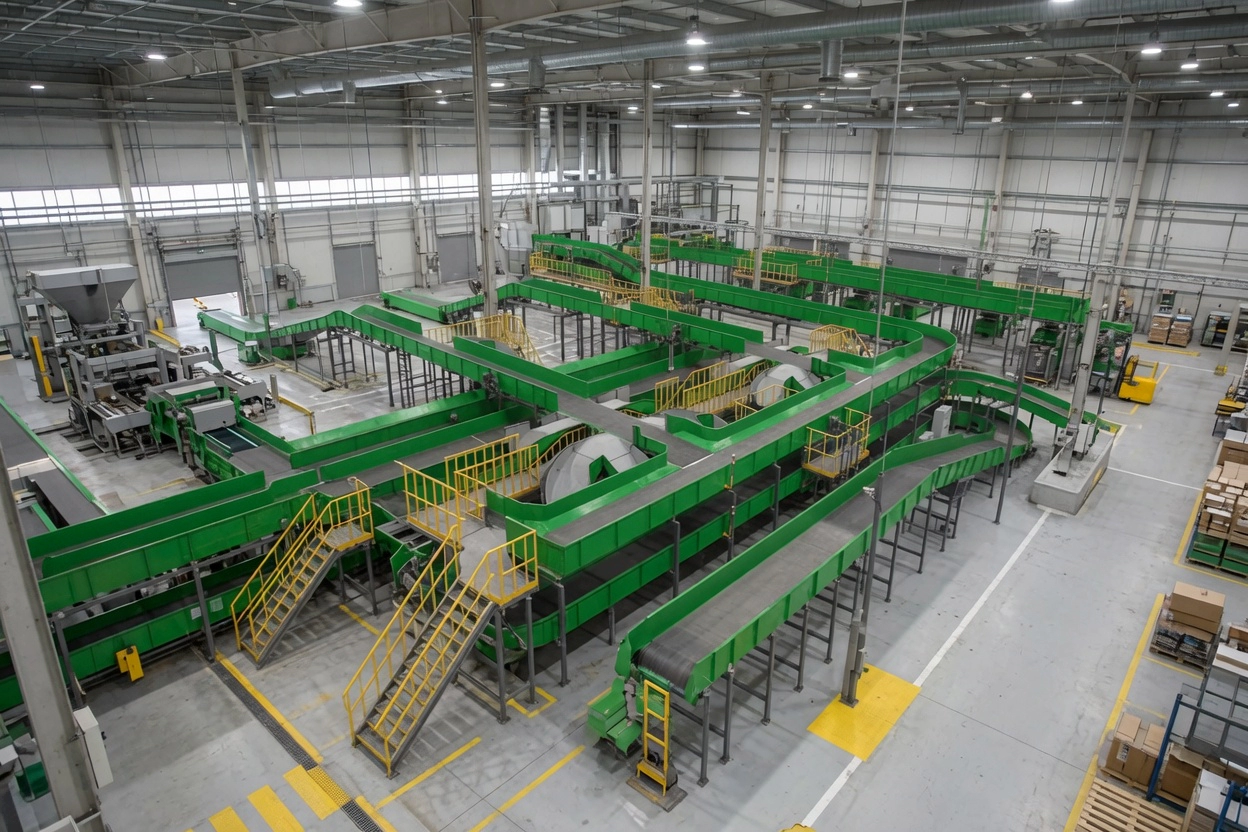
I frantumatori da miniera — frantumatori a mascelle, frantumatori a cono e frantumatori a rulli — rappresentano alcuni degli ambienti meccanicamente più impegnativi dell'industria pesante. Impongono carichi d'impatto estremi, coppie di avviamento elevate e vibrazioni continue su ogni componente di azionamento. riduttore a vite senza fine Utilizzato negli azionamenti ausiliari e di alimentazione dei frantumatori, offre elevati rapporti di riduzione in un ingombro ridotto, garantendo la massima coppia motrice da un telaio motore standard anche negli spazi ristretti di un pozzo minerario o di un impianto di lavorazione.
Sebbene l'azionamento primario del frantoio possa utilizzare un sistema a trasmissione diretta o a giunto idraulico, i riduttori a vite senza fine svolgono ruoli cruciali nel circuito di frantumazione: azionano l'alimentatore vibrante a griglia che regola la velocità di alimentazione del minerale, azionano il meccanismo di regolazione CSS, azionano il motore della pompa dell'olio di lubrificazione nei grandi frantoi a cono e controllano l'alimentatore a nastro sotto lo scarico del frantoio a mascelle.
In tutti questi ruoli, il vantaggio determinante del riduttore a vite senza fine è la moltiplicazione della coppia in dimensioni compatte: rapporti di riduzione fino a 100:1 da un singolo stadio consentono a un piccolo motore di superare l'inerzia di avviamento e i carichi d'urto tipici dei circuiti dei frantumatori.
Applicazioni e casi d'uso nel settore industriale
In una tipica configurazione di un impianto di frantumazione, i riduttori a vite senza fine sono presenti in diversi punti del circuito:
- Azionamenti vibranti per alimentatori per orsi grizzly — regolazione della massa eccentrica e controllo della velocità di avanzamento
- Attuatori di regolazione CSS sui frantumatori a cono — modifiche precise dell'impostazione a bassa velocità sotto carico idraulico
- L'alimentatore a grembiule si aziona sotto i frantumatori a mascelle — elevata coppia di avviamento contro vassoi a grembiule carichi
- Azionamenti del frantumatore a rulli (stadio secondario) — trasmissione diretta a bassa velocità e coppia elevata dei rulli di frantumazione
- Azionamenti delle pompe di lubrificazione su grandi frantoi a cono — rotazione lenta e continua della pompa
Specifiche dei materiali per l'impiego in frantumazione: Albero a vite senza fine in acciaio legato cementato e temprato (HRC 60–62). Ruota elicoidale in bronzo legato speciale con maggiore contenuto di stagno per una migliore resistenza agli urti. Alloggiamento in ghisa sferoidale GGG40 con grado di protezione IP65 come minimo — IP66 raccomandato in prossimità delle zone di scarico del frantoio dove è frequente lo spruzzo di fanghi di acqua e particelle fini.
Carico d'urto e fattore di servizio: I circuiti di frantumazione sono classificati come applicazioni ad alto impatto con fattore di servizio SF=1,75–2,0. Ciò significa che il riduttore deve essere selezionato con una coppia di uscita nominale almeno 1,75 volte la coppia di applicazione calcolata. Un riduttore a vite senza fine sottodimensionato in un circuito di frantumazione porta a un'usura prematura della ruota in bronzo e a un sovraccarico termico.

Specifiche tecniche e guida alla selezione
Utilizzare la tabella sottostante per identificare il modello appropriato. I parametri chiave includono il rapporto di riduzione, la coppia di uscita, le dimensioni dell'albero e il materiale dell'alloggiamento. Applicare sempre il corretto Fattore di servizio (SF) per il tuo ciclo di lavoro.
| Parametro | Intervallo/valore tipico | Note sulla selezione |
|---|---|---|
| Rapporto | Rapporto consigliato: 20:1 – 100:1 | Rapporti di trasmissione più elevati per azionamenti di alimentatori o attuatori molto lenti |
| Coppia in uscita (SF=1.0) | Fino a 4.200 N·m | Applicare SF 1,75–2,0 per la selezione del circuito del frantumatore |
| Albero di ingresso | Flangia IEC B5/B14 | IEC 60034 — montaggio diretto su motori standard |
| Albero di uscita | Foro pieno o cavo da 25 a 50 mm | Si consiglia l'utilizzo di un foro cavo per l'accoppiamento diretto dell'albero del frantumatore a rulli. |
| Materiale per alloggi | Ghisa duttile GGG40 | Obbligatorio per il servizio di circuiti di frantumazione a carico d'urto |
| Tipo di cuscinetto | Rullo conico (ingresso + uscita) | Richiesto per carico radiale/assiale combinato in frantumazione |
| Classe di protezione | Grado di protezione IP65 minimo; IP66 preferibile | In prossimità delle zone di scarico del frantoio e delle aree interessate da fanghi, si specifica IP66 |
► Fattore di servizio (SF): Carico uniforme SF=1,0 | Urto moderato SF=1,25–1,5 | Urto pesante / 24 ore continue SF=1,75–2,0
► Temperatura ambiente: Le unità standard hanno una temperatura nominale compresa tra -10 °C e +40 °C. I siti australiani con temperature ambiente elevate (>45 °C) richiedono un lubrificante per alte temperature e una riduzione di temperatura 15%.
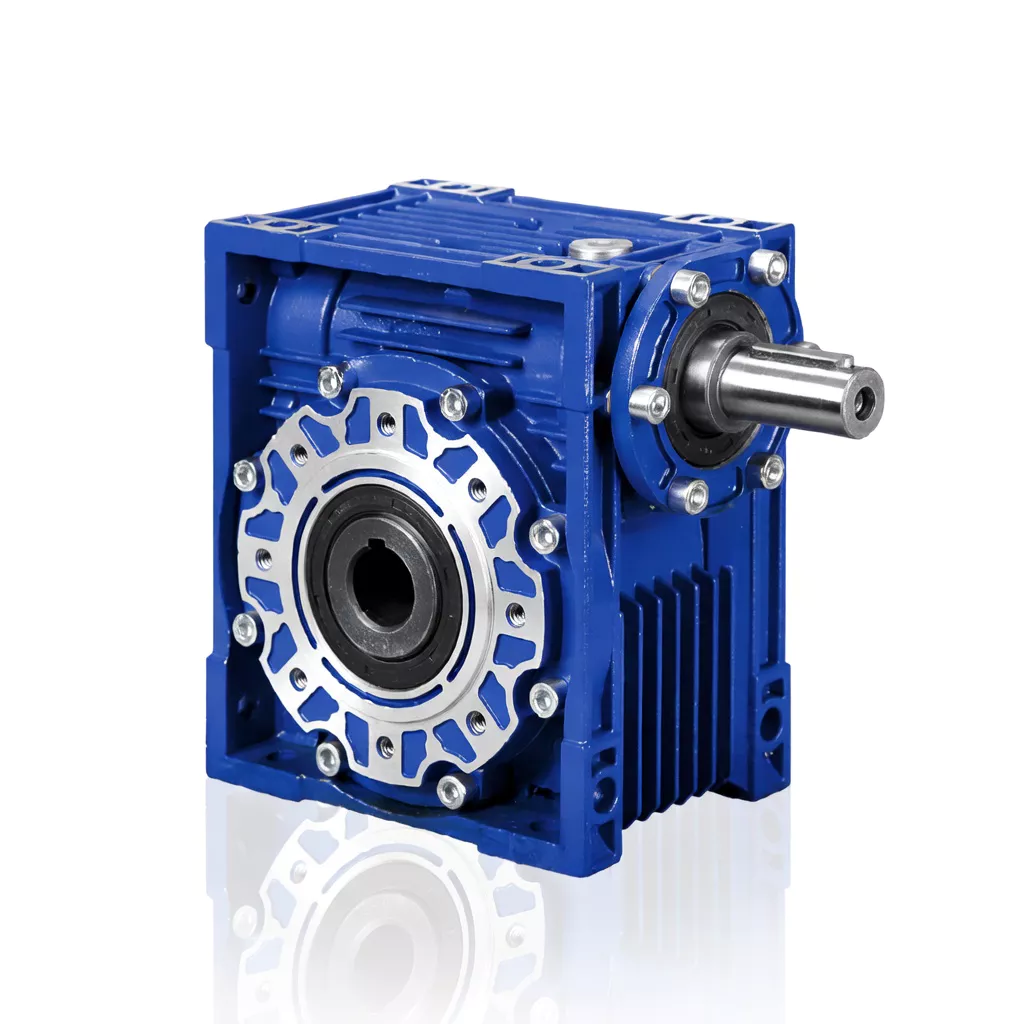
Disponibile nelle taglie di telaio da 025 a 150. Rapporti di riduzione monostadio da 5:1 a 100:1. Coppia in uscita fino a 4.200 N·m. Alloggiamento in alluminio o ghisa sferoidale. Flangia motore IEC B5/B14. Grado di protezione IP65 standard, IP66/IP67 opzionale. Lubrificazione con olio sintetico o minerale.
Conformità e standard di qualità
Sistema di gestione della qualità certificato. Ogni unità viene prodotta e ispezionata secondo un sistema di gestione della qualità documentato e con piena tracciabilità.
Marcatura CE conforme alla Direttiva Macchine dell'UE. Ampiamente utilizzata nei progetti di ingegneria in Australia e Nuova Zelanda.
Dimensioni standard IEC per flange e alberi. Compatibilità diretta con tutte le principali marche di motori.
Resistente alla polvere e ai getti d'acqua ad alta pressione. Lo standard per le installazioni esterne in Australia.
Casi di studio
Caso di studio 1 — Alimentatore a piastre per miniera d'oro, Kalgoorlie, WA
Alimentatore a grembiule sotto il frantoio a mascelle primario
Punto critico per il cliente: In una miniera d'oro di Kalgoorlie si verificavano guasti mensili alla ruota elicoidale. Il riduttore originale era stato dimensionato con un fattore di sicurezza (SF) di 1,0, adeguato per un carico uniforme ma incapace di gestire le coppie d'impatto generate dalla caduta di grossi blocchi di minerale sulle piattaforme di carico.
Soluzione: Il riduttore a vite senza fine NRV-130 (rapporto 60:1, SF=2.0, coppia di uscita selezionata 2.800 N·m, cuscinetti a rulli conici, IP66) ha sostituito l'unità sottodimensionata. È stato inoltre corretto un problema di disallineamento nella catena del grembiule.
Risultato: La durata della ruota elicoidale è stata estesa da 4-6 settimane a oltre 18 mesi. Risparmio annuo di circa 1.000.000 euro in ricambi e manodopera.
Caso di studio 2 — Guida di alimentazione per orsi grizzly nella cava, Blue Mountains, Nuovo Galles del Sud
Mangiatoia vibrante per orsi grizzly
Punto critico per il cliente: Il sistema di azionamento dell'alimentatore a griglia di una cava di arenaria produceva vibrazioni eccessive che si trasmettevano attraverso l'alloggiamento del riduttore al telaio del motore, causando l'allentamento dei collegamenti dei terminali e l'usura delle spazzole sul motore ad anelli collettori.
Soluzione: Riduttore a vite senza fine NMRV-110 con piedini di montaggio antivibranti e giunto flessibile tra motore e albero di ingresso del riduttore. La geometria di innesto a vite senza fine assorbe meglio gli urti torsionali rispetto agli ingranaggi elicoidali.
Risultato: L'intervallo di serraggio dei terminali del motore è stato esteso da 4 settimane a 18 mesi. La durata delle spazzole dell'anello collettore è raddoppiata.
Caso di studio 3 — Attuatore di regolazione CSS, frantoio a cono per minerale di ferro WA
Azionamento di regolazione CSS del frantumatore a cono
Punto critico per il cliente: L'attuatore di regolazione CSS su un grande frantoio a cono secondario era troppo veloce: gli operatori superavano il valore CSS target fino a 5 mm a causa dell'inerzia del sistema di regolazione idraulica.
Soluzione: È stato installato un riduttore a vite senza fine tandem NMRV a due stadi (rapporto combinato 3.200:1), che consente una precisa regolazione incrementale del CSS con una risoluzione di posizione di 0,2 mm per giro del motore.
Risultato: La precisione dell'impostazione CSS è stata migliorata a ±0,5 mm. La consistenza della dimensione del prodotto P80 è stata migliorata di 12%, riducendo il ricircolo di materiale di dimensioni eccessive di 8% e aumentando la produttività dell'impianto.
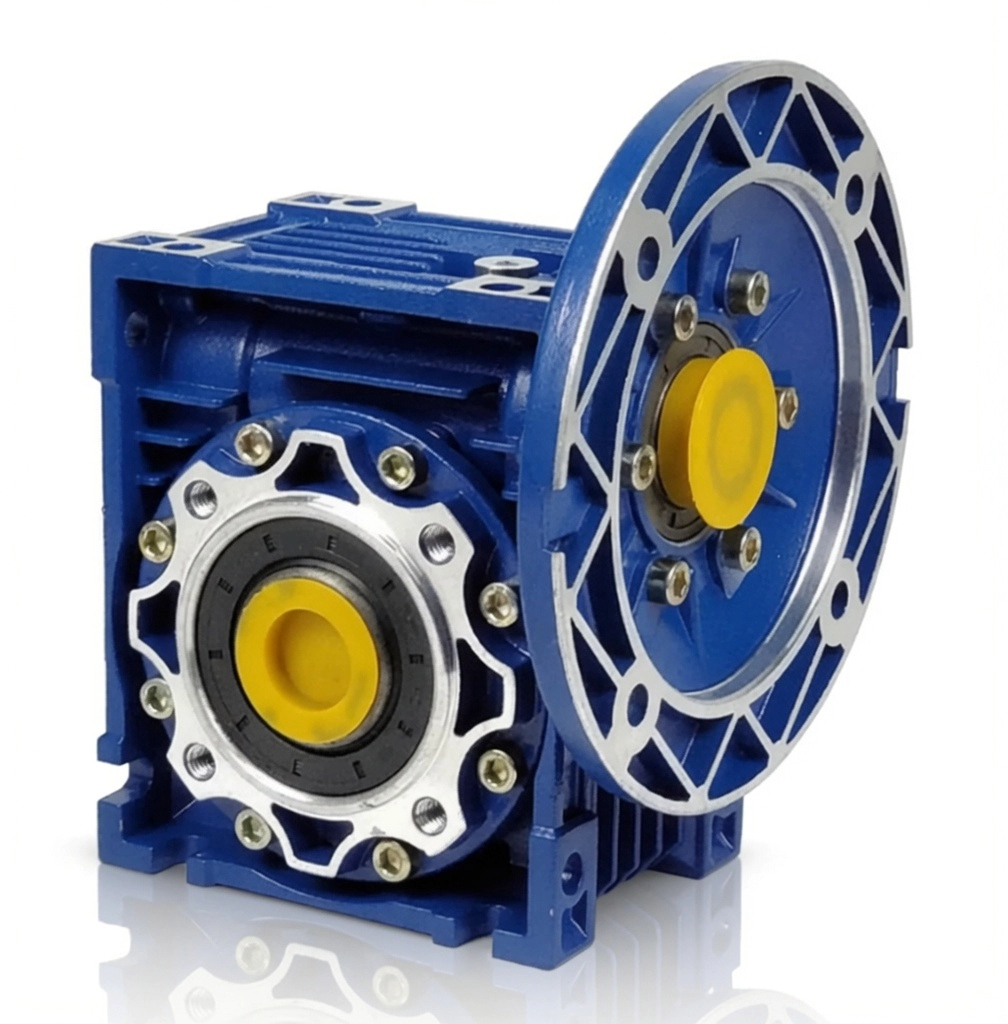
Riduttori a vite senza fine serie NMRV / NRV — taglie telaio da 025 a 150, fabbricati secondo la norma ISO 9001:2015
Perché scegliere noi?
Oltre 20 anni di esperienza nella produzione
Produzione certificata ISO dal 2003. Riduttori a vite senza fine spediti in oltre 60 paesi.
Assistenza tecnica da remoto
Diagnostica tramite videochiamata in tutti i fusi orari australiani. Risposta rapida senza necessità di visite in loco.
Personalizzazione OEM/ODM
Alberi non standard, fori cavi, flange e rapporti personalizzati. Disponibile la revisione completa dei disegni.
Valore direttamente dalla fabbrica
Nessun margine di distribuzione. Prezzi trasparenti per acquisti in grandi quantità, con notevoli risparmi sugli ordini ripetuti.
Disponibilità immediata e spedizione rapida.
Telai standard NMRV/NRV disponibili a magazzino. Gli ordini urgenti vengono spediti con corriere espresso.
Domande frequenti
Richiedi gratuitamente la selezione e il dimensionamento dell'azionamento del frantumatore.
I nostri ingegneri sono pronti a consigliarvi il modello di riduttore a vite senza fine, il rapporto di trasmissione, la configurazione dell'albero e la disposizione di montaggio più adatti alla vostra applicazione.
Scopri di più su pagina delle applicazioni oppure scopri di più su di noi su pagina Chi siamo.