Riduttore a vite senza fine per paranchi e gru industriali
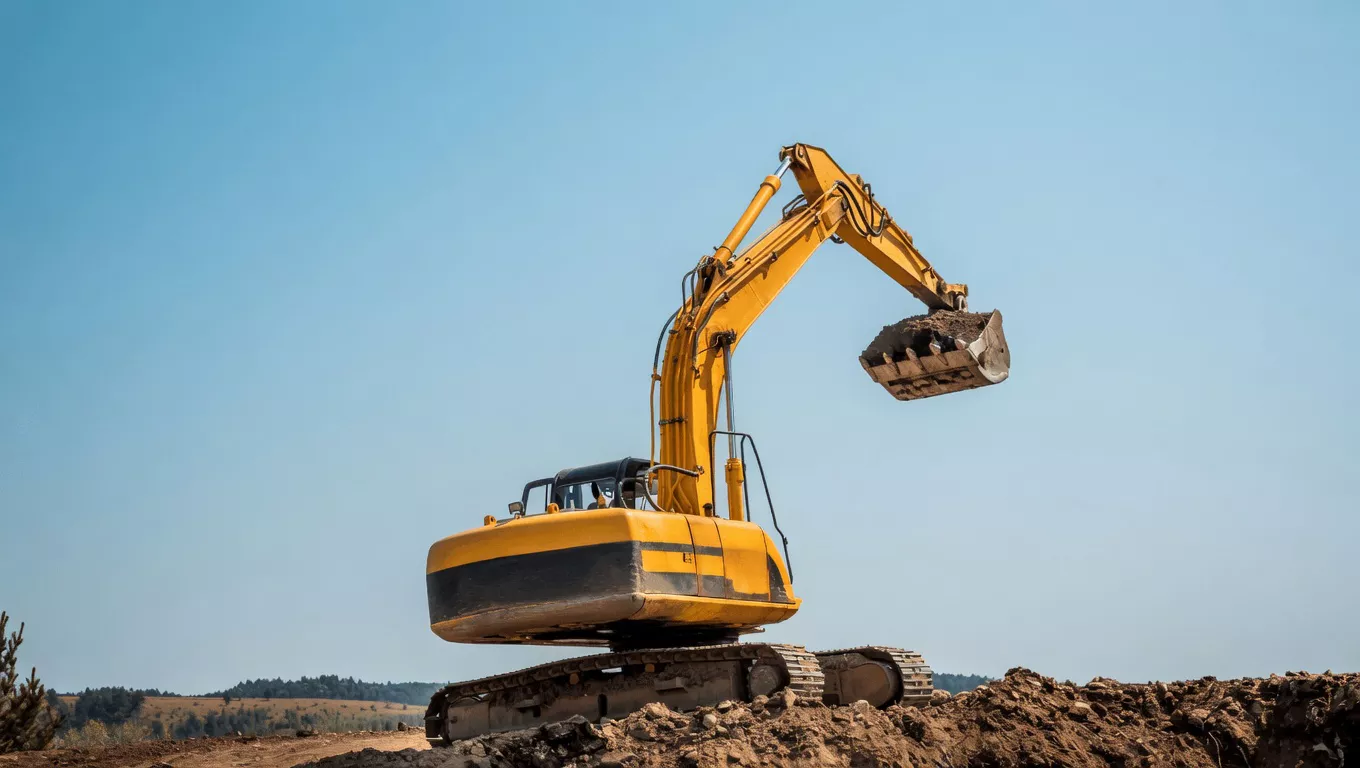
I paranchi industriali, le gru a ponte, gli elevatori per merci e i montacarichi per materiali costituiscono l'infrastruttura logistica verticale degli impianti di produzione, dei magazzini, dei centri di distribuzione e dei cantieri edili australiani. Movimentano carichi che vanno da poche centinaia di chilogrammi a decine di tonnellate in modo affidabile e sicuro, attraverso innumerevoli cicli e con una durata di vita che si misura in decenni. Il requisito fondamentale di qualsiasi azionamento per paranchi o gru, oltre alla capacità di coppia, è la prevenzione incondizionata della caduta incontrollata del carico in qualsiasi condizione, inclusi arresto del motore, interruzione di corrente e guasto meccanico.
IL riduttore a vite senza fine è in una posizione unica per soddisfare questo requisito. La geometria di innesto a vite senza fine crea una trasmissione meccanica irreversibile se progettata correttamente: il carico sull'albero di uscita non può azionare in senso inverso l'albero di ingresso; qualsiasi carico sospeso rimane semplicemente in posizione quando il motore si arresta, senza richiedere un freno elettromagnetico, un freno a molla o una valvola di ritegno idraulica separati.
Questo intrinseco sistema di autobloccaggio non elimina la necessità di freni secondari richiesti dalla norma AS 1418 (Norme australiane per gru, paranchi e argani) in tutte le applicazioni di sollevamento accessibili al personale, ma fornisce il principale livello di sicurezza meccanica e riduce significativamente il carico sui freni secondari. Per paranchi, azionamenti per argani e rotazione di gru a braccio, dove il personale non è a rischio a causa del carico sospeso, l'autobloccaggio a vite senza fine è spesso l'unico meccanismo di bloccaggio.
Applicazioni e casi d'uso nel settore industriale
I riduttori a vite senza fine sono utilizzati in tutta la gamma di attrezzature industriali per il sollevamento e la movimentazione dei materiali in Australia:
- Azionamenti elettrici per paranchi a catena — riduttore a vite senza fine monostadio compatto per corpi di sollevamento sospesi a gancio
- Azionamenti per montacarichi e ascensori per soppalchi — azionamento del tamburo a velocità intermedia per il trasferimento verticale dei pallet
- Azionamento di traslazione trasversale della gru a ponte — Riduttore a vite senza fine nella trasmissione del carrello per il posizionamento laterale del carico
- Azionamenti di rotazione della gru a braccio — Rotazione a 360° del braccio del jib con bloccaggio automatico del carico in qualsiasi posizione
- Azionamenti per verricelli (verricelli per processi industriali) — Azionamenti per tamburi di funi metalliche per applicazioni di posizionamento del carico
Specifiche dei materiali per paranchi e gru: Albero a vite senza fine in acciaio legato cementato e temprato (HRC 58–62) – la specifica di massima resistenza all'usura, adatta alle elevate pressioni di contatto e ai cicli di carico ripetuti del servizio di sollevamento. Ruota elicoidale in bronzo allo stagno fuso centrifugamente (C93700) – selezionata per la sua maggiore resistenza allo snervamento a compressione e le migliori prestazioni sotto le ripetute inversioni di carico del servizio di sollevamento. Alloggiamento in ghisa sferoidale GGG40 o ghisa grigia HT300. Cuscinetti a rulli conici su entrambi gli alberi di ingresso e di uscita.
Conformità agli standard australiani: Le norme AS 1418.1 (Requisiti generali per gru, paranchi e argani) e AS 1418.3 (Gru a ponte, a cavalletto, a portale e a braccio) definiscono i requisiti minimi per i sistemi di azionamento delle attrezzature di sollevamento in Australia. I nostri riduttori a vite senza fine per applicazioni di sollevamento sono disponibili con calcoli FEM e documentazione per classi di servizio da M4 a M6.
Specifiche tecniche e guida alla selezione
Utilizzare la tabella sottostante per identificare il modello appropriato. I parametri chiave includono il rapporto di riduzione, la coppia di uscita, le dimensioni dell'albero e il materiale dell'alloggiamento. Applicare sempre il corretto Fattore di servizio (SF) per il tuo ciclo di lavoro.
| Parametro | Intervallo/valore tipico | Note sulla selezione |
|---|---|---|
| Rapporto | 20:1 – 100:1 stadio singolo | Configurazioni tandem per viaggi molto lenti o carichi di lavoro molto elevati |
| Coppia in uscita | 200 – 4.200 N·m | Selezionare in base alla classe di servizio FEM, non solo in base alla coppia nominale SWL. |
| Tipo di cuscinetto | Rullo conico (alberi di ingresso + di uscita) | Obbligatorio per carichi radiali/assiali combinati in servizio di sollevamento |
| Materiale dell'albero a vite senza fine | Acciaio legato cementato, durezza HRC 58–62 | Massima resistenza all'usura per cicli ripetuti di carico di sollevamento. |
| Materiale della ruota a vite senza fine | Bronzo allo stagno fuso per centrifugazione C93700 | Elevata resistenza alla compressione per applicazioni con inversione ripetuta del carico. |
| Materiale per alloggi | Ghisa duttile GGG40 | Elevata rigidità; resiste alla flessione dovuta alla deflessione della fune/catena |
| Classe di protezione | Grado di protezione IP54 per interni; grado di protezione IP65 per esterni. | Le installazioni di gru per esterni e per processi a umido richiedono la certificazione IP65. |
► Fattore di servizio (SF): Carico uniforme SF=1,0 | Urto moderato SF=1,25–1,5 | Urto pesante / 24 ore continue SF=1,75–2,0
► Temperatura ambiente: Le unità standard hanno una temperatura nominale compresa tra -10 °C e +40 °C. I siti australiani con temperature ambiente elevate (>45 °C) richiedono un lubrificante per alte temperature e una riduzione di temperatura 15%.
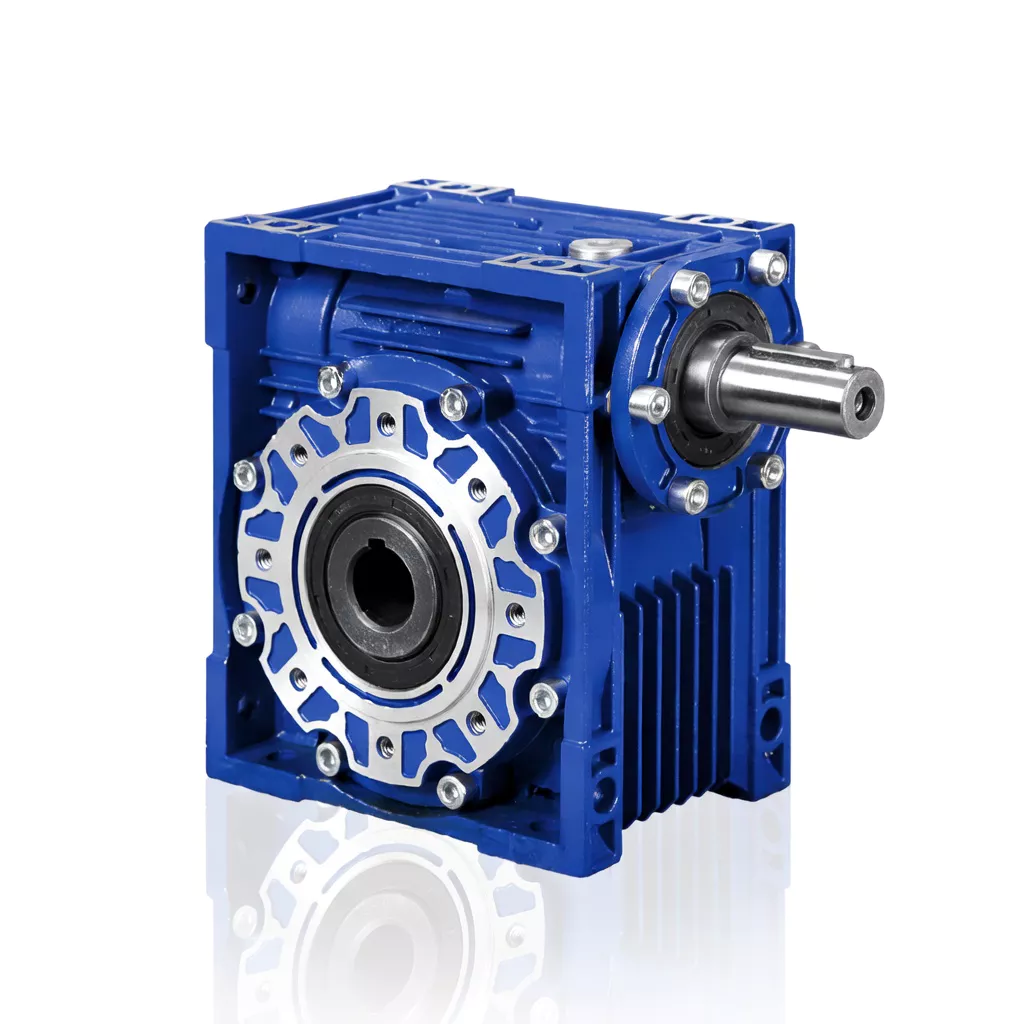
Disponibile nelle taglie di telaio da 025 a 150. Rapporti di riduzione monostadio da 5:1 a 100:1. Coppia in uscita fino a 4.200 N·m. Alloggiamento in alluminio o ghisa sferoidale. Flangia motore IEC B5/B14. Grado di protezione IP65 standard, IP66/IP67 opzionale. Lubrificazione con olio sintetico o minerale.
Conformità e standard di qualità
Sistema di gestione della qualità certificato. Ogni unità viene prodotta e ispezionata secondo un sistema di gestione della qualità documentato e con piena tracciabilità.
Marcatura CE conforme alla Direttiva Macchine dell'UE. Ampiamente utilizzata nei progetti di ingegneria in Australia e Nuova Zelanda.
Dimensioni standard IEC per flange e alberi. Compatibilità diretta con tutte le principali marche di motori.
Resistente alla polvere e ai getti d'acqua ad alta pressione. Lo standard per le installazioni esterne in Australia.
Casi di studio
Caso di studio 1 — Officina di carpenteria metallica con gru a ponte, Brisbane, Queensland
Gru a ponte sopraelevata - Azionamento trasversale da 5 tonnellate
Punto critico per il cliente: Un'officina di carpenteria metallica vicino a Brisbane riscontrava un problema di slittamento del carrello sulla sua gru a ponte da 5 tonnellate: il carrello carico si spostava lateralmente quando il motore di traslazione trasversale veniva disattivato, causando un posizionamento impreciso del carico e un problema di sicurezza segnalato durante un'ispezione di WorkSafe Queensland.
Soluzione: Il riduttore a vite senza fine NMRV-110 (rapporto 60:1, ghisa sferoidale GGG40, cuscinetti a rulli conici, IP54) ha sostituito l'unità elicoidale sull'azionamento del carrello trasversale. Il bloccaggio automatico della vite senza fine manteneva il carrello in qualsiasi posizione della trave senza necessità di alimentazione continua del motore.
Risultato: Nessun episodio di deriva del carrello nei 20 mesi successivi all'installazione. Audit WorkSafe concluso. Gli operatori sono stati in grado di posizionare i carichi entro 30 mm senza dover effettuare regolazioni di precisione.
Caso di studio 2 — Montacarichi per materiali da costruzione, Sydney, Nuovo Galles del Sud
Montacarichi per cantiere edile — Portata massima 750 kg
Punto critico per il cliente: Un montacarichi da cantiere in un progetto nel centro di Sydney presentava un'usura eccessiva dei freni a frizione: il freno si innestava e disinnestava dalle 80 alle 120 volte al giorno a pieno carico, consumando le guarnizioni dei freni ogni 6 settimane. La sostituzione causava interruzioni di 4 ore del montacarichi durante la fase critica di costruzione della struttura.
Soluzione: Il riduttore a vite senza fine NMRV-130 (rapporto 80:1, ghisa sferoidale, rulli conici, IP54) ha sostituito l'unità elicoidale. L'autobloccaggio della vite senza fine ha ridotto drasticamente il carico sul freno a frizione, che ora funge principalmente da sistema di sicurezza di emergenza.
Risultato: L'intervallo di sostituzione delle pastiglie dei freni è stato esteso da 6 settimane a oltre 18 mesi. I fermi macchina dovuti a problemi ai freni sono stati eliminati durante la fase critica del progetto.
Caso di studio 3 — Gru a braccio in uno stabilimento di assemblaggio automobilistico, Adelaide, Australia Meridionale
Azionamento di rotazione per gru a braccio da 250 kg
Punto critico per il cliente: In uno stabilimento di assemblaggio di componenti automobilistici ad Adelaide, si sono verificati guasti ai freni di rotazione di 12 gru a braccio utilizzate per la movimentazione dei blocchi motore. I freni di rotazione elettrici si guastavano a causa del surriscaldamento: le operazioni di assemblaggio richiedevano dalle 30 alle 50 correzioni di posizionamento di rotazione all'ora e le bobine dei freni superavano i loro limiti termici.
Soluzione: I riduttori a vite senza fine NMRV-090 (rapporto 40:1, ghisa sferoidale, IP54) hanno sostituito gli ingranaggi cilindrici esistenti su tutte le 12 gru a braccio. Il bloccaggio automatico della vite senza fine ha eliminato completamente la necessità del freno di rotazione.
Risultato: Tutti i 12 freni di rotazione della gru a braccio sono stati dismessi. Nessun guasto da surriscaldamento dei freni in 30 mesi. Eliminato il costo annuale di sostituzione dei freni elettrici: stimato in 1.400.000 euro all'anno.
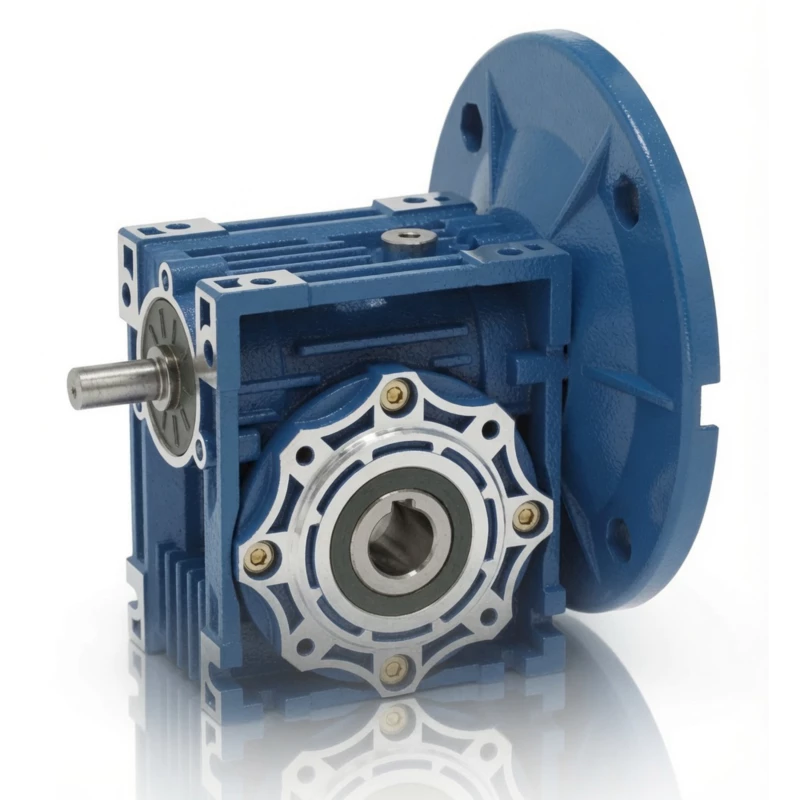
Riduttori a vite senza fine serie NMRV / NRV — taglie telaio da 025 a 150, fabbricati secondo la norma ISO 9001:2015
Perché scegliere noi?
Oltre 20 anni di esperienza nella produzione
Produzione certificata ISO dal 2003. Riduttori a vite senza fine spediti in oltre 60 paesi.
Assistenza tecnica da remoto
Diagnostica tramite videochiamata in tutti i fusi orari australiani. Risposta rapida senza necessità di visite in loco.
Personalizzazione OEM/ODM
Alberi non standard, fori cavi, flange e rapporti personalizzati. Disponibile la revisione completa dei disegni.
Valore direttamente dalla fabbrica
Nessun margine di distribuzione. Prezzi trasparenti per acquisti in grandi quantità, con notevoli risparmi sugli ordini ripetuti.
Disponibilità immediata e spedizione rapida.
Telai standard NMRV/NRV disponibili a magazzino. Gli ordini urgenti vengono spediti con corriere espresso.
Domande frequenti
Ottieni assistenza dai nostri ingegneri per il dimensionamento di paranchi e azionamenti per gru.
I nostri ingegneri sono pronti a consigliarvi il modello di riduttore a vite senza fine, il rapporto di trasmissione, la configurazione dell'albero e la disposizione di montaggio più adatti alla vostra applicazione.
Scopri di più su pagina delle applicazioni oppure scopri di più su di noi su pagina Chi siamo.